
Review · JAPAN
Kyoto : Samurai Movie Star Experience at Myokaku-ji Temple
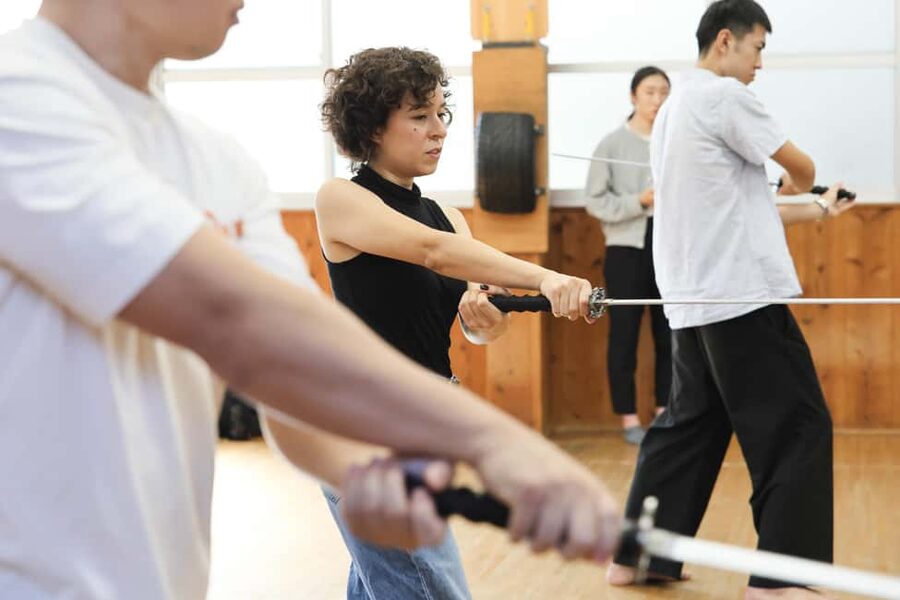
The unusual draw here is that you do not just watch a samurai show. At Myokaku-ji Temple, you put on a kimono, learn choreographed sword moves, and film yourself performing a short chambara scene. It is part acting class, part cultural activity, and part souvenir production.
I like the real temple setting and the chance to work with instructors who have appeared in Japanese films and television. I also like that you leave with downloadable photos and video, not just a quick snapshot. The main consideration is physical: swordplay involves movement, so it is not a good choice if you are pregnant, have back problems or another medical condition, or simply want a quiet temple visit.
Key points to know
- Film your own samurai scene: You perform the techniques and record the final action sequence with your own camera.
- Train at Myokaku-ji Temple: The session takes place at a historic Kyoto temple associated with Sengoku-era warlords, including Oda Nobunaga.
- Learn stage sword techniques: Instruction includes holding and wielding the sword, with moves such as makkogiri and kesagiri.
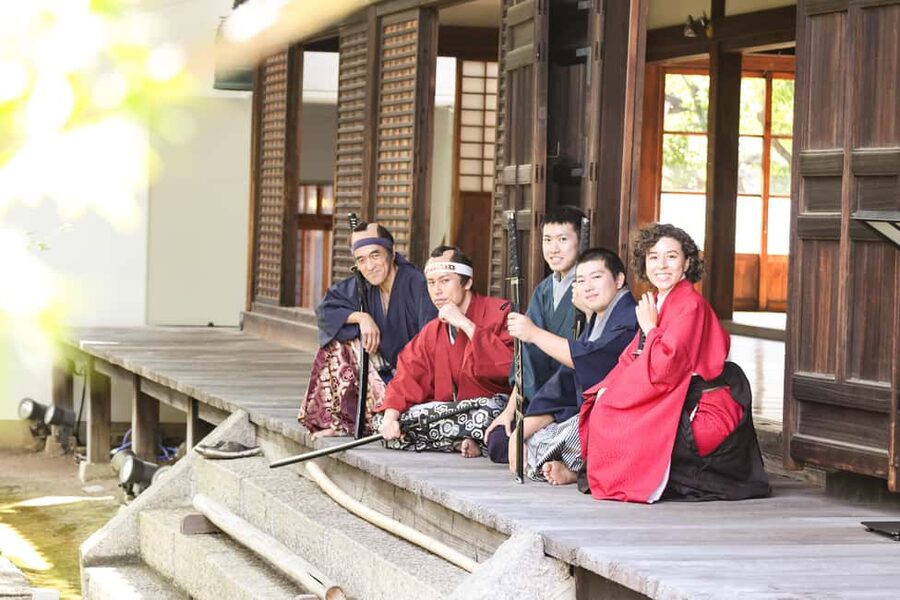
- Wear a traditional kimono: Kimono rental is included, adding costume and ceremony to the film experience.
- Meet working period-drama actors: Kesuke Irie and Kazuya Naito are named as instructors, and both have acted in Japanese movies and television.
- Bring a camera and comfortable clothes: Transportation and meals are not included, and you meet at the Myokaku-ji Dojo inside the temple grounds.
Why this Kyoto activity feels different
Kyoto offers plenty of polished cultural activities, but this one asks you to take an active role. You are not only watching a demonstration or posing in costume. You learn a short set of sword movements, then use them in a filmed scene.
That change from spectator to performer is the heart of the activity. You may not look like a seasoned samurai by the end, but you will have something more personal than a standard posed photograph. The final footage captures your movement, costume, and setting in one package.
The activity is called a chambara experience. Chambara refers to Japanese sword-fighting entertainment, especially the stylized action seen in period films. This is best understood as performance swordplay rather than combat training. You are learning controlled movements for a scene, not preparing for an actual sword fight.
The setting adds weight to the idea. Myokaku-ji Temple is described as a place where Sengoku warlords stayed, including Oda Nobunaga around 400 years ago. That historical connection gives the session more character than a generic studio set, even though the main goal is to have fun and make a film.
More screen tours worth booking around the world:
- From London: Harry Potter Warner Bros Studio Tour
★ 4.7 · 26,588 reviews - Magical London: Harry Potter Guided Walking Tour
★ 4.7 · 22,044 reviews - London: Warner Bros. Studio Harry Potter Tour & Branded Bus
★ 4.7 · 19,194 reviews
Arriving at Myokaku-ji Temple
You need to make your own way to Myokaku-ji Temple. Transportation to and from the temple is not included, so allow time to reach the site and find the meeting point before the session begins.
After entering through the main gate, look to the left for the Myokaku-ji Dojo. That is where you gather, and the activity also ends there. The meeting instructions are simple, but temple grounds can feel unfamiliar if you are hurrying, so arriving with enough time to orient yourself is sensible.
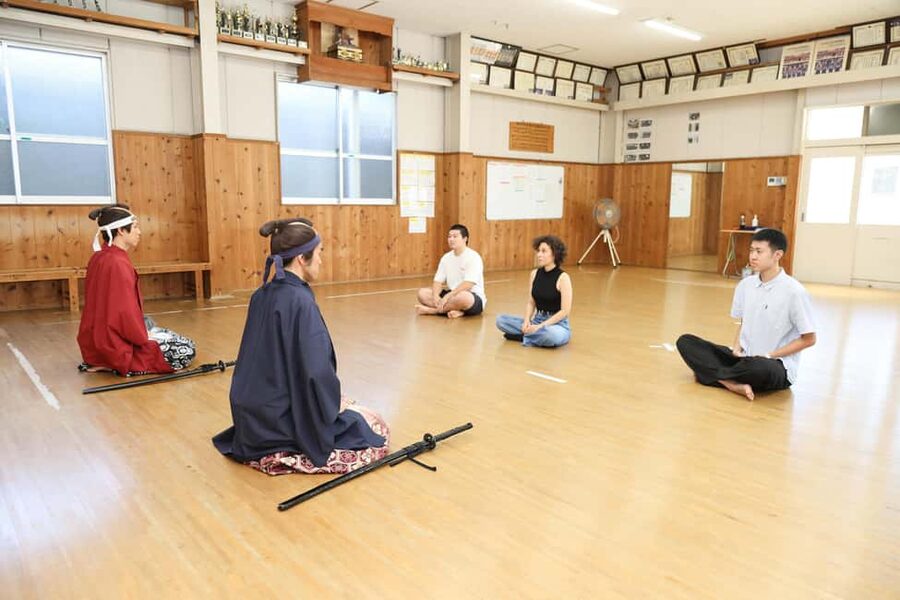
The dojo setting matters. You are not dressing up in a hotel meeting room and then pretending to be in old Japan. You begin in a place connected to martial practice and traditional culture. The temple itself is part of the atmosphere, while the dojo provides the practical space for instruction and filming.
You should wear comfortable clothes under the kimono. The organizers specifically advise clothing suitable for physical activity. Loose or awkward clothing could make movement harder, and you should expect to bend, turn, and practice sword motions rather than remain still for photographs.
The kimono dressing session
Kimono rental is included in the $133 price. The costume is not a minor extra here. It helps change the activity from a simple martial arts lesson into a period-film role-play session.
You learn about the traditional art of kimono dressing and then wear one during the swordplay and filming. The clothing gives the final footage a clear samurai-era look, and it also helps you feel the difference between ordinary sightseeing and taking on a character.
Do keep your expectations practical. This is not presented as a full kimono history course or a long formal dressing ceremony. The clothing prepares you for the main activity. If you are interested in Japanese dress, you will get a hands-on introduction, but the emphasis remains on performance.
The included rental is especially useful for anyone who does not want to arrange a separate kimono rental in Kyoto. You do not need to spend extra time locating a costume shop or return to another part of the city afterward. You can arrive in ordinary comfortable clothes, change as part of the activity, and finish back at the dojo.
Learning makkogiri and kesagiri
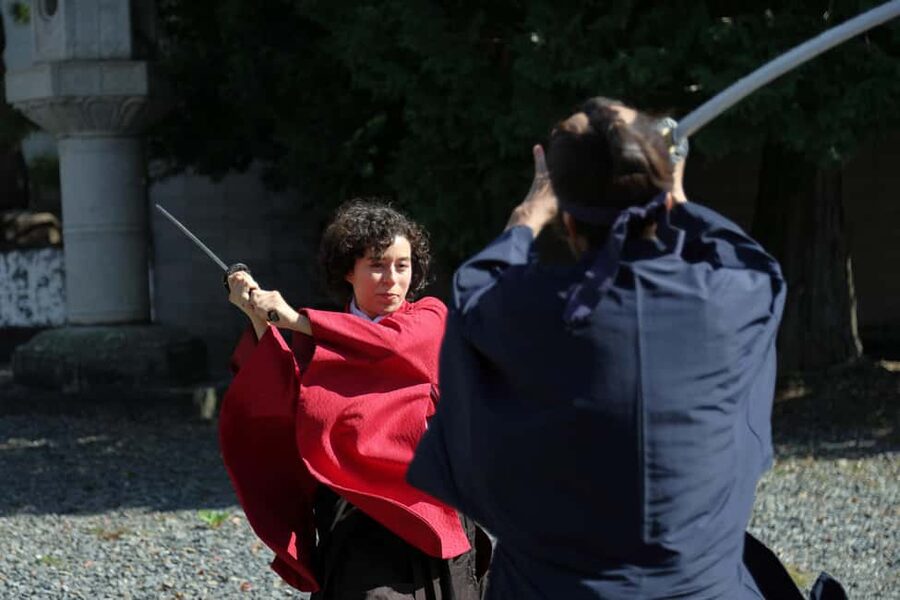
The lesson begins with basic instruction in holding and wielding the sword. You are taught named techniques, including makkogiri and kesagiri, and then shown how to connect them into a short performance.
The value of this section is not technical mastery. You are receiving enough guidance to make the movements look deliberate and readable on camera. The instructors help you learn timing, posture, and the shape of each action so that the finished scene has the feel of chambara.
This is where the instructors make a difference. Kesuke Irie and Kazuya Naito are identified as professional actors who have worked in Japanese movies and television. Their background gives them a useful mix of performance sense and practical teaching skill. They can show you how a movement should look, then help you repeat it in a way that works on film.
You should expect a friendly, playful class rather than a severe martial arts examination. Several participants found the instructors encouraging, funny, patient, and entertaining. That tone is important because most first-time performers will not execute the swordplay perfectly. The lesson is designed to help you enjoy the attempt.
The activity information uses language about learning skills for actual sword fights, but you should read that as a description of the techniques being taught, not as a promise of combat instruction. This is choreographed entertainment. Safety, control, and appearance for the camera matter more than speed or force.
Same scenes, a different way to walk into them:
- Edinburgh: Harry Potter Magical Guided Walking Tour
★ 4.8 · 11,944 reviews - London: Warner Bros. Studio Harry Potter Tour with Transfers
★ 4.6 · 9,709 reviews - Hobbiton Movie Set: Guided Tour Ticket
★ 4.9 · 8,167 reviews - Los Angeles: Warner Bros. Studio Tour Hollywood
★ 4.6 · 7,191 reviews
Watching the professional chambara performance
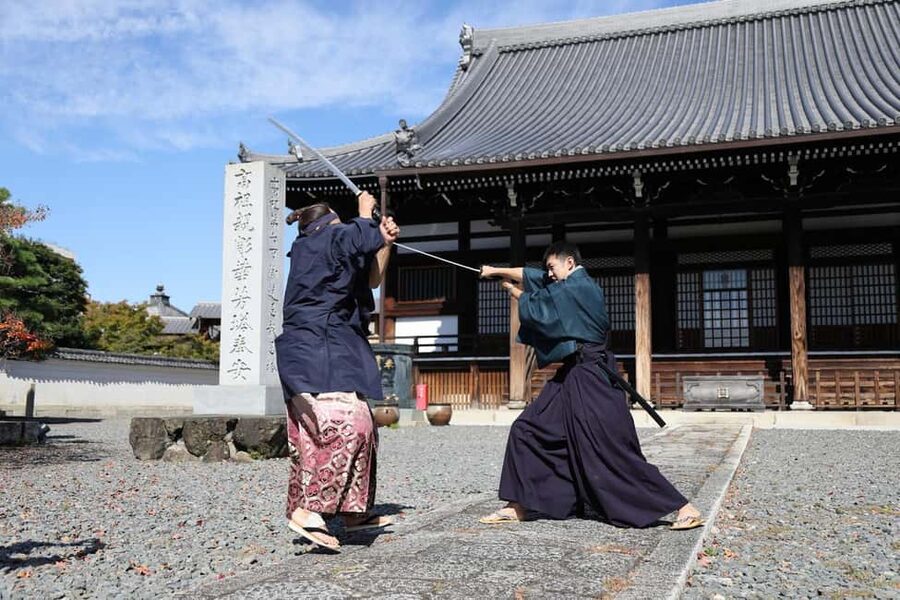
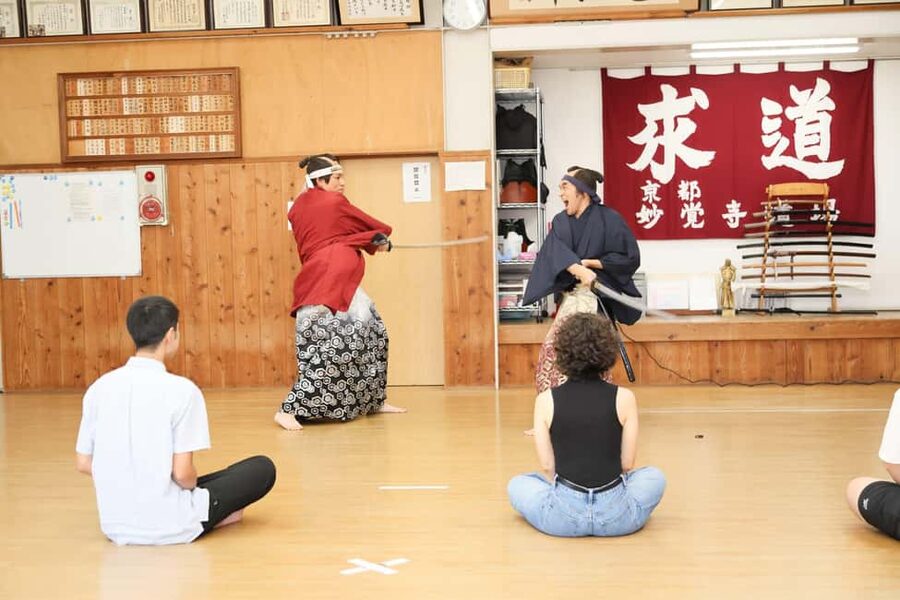
Before you film your own scene, the instructors perform a professional chambara demonstration. This gives you a clear look at the movements before you try them yourself.
The demonstration also explains why the session is more than a costume photo opportunity. You can watch actors who have trained for period drama use posture, timing, and controlled sword movements to create an action scene. The gap between their polished performance and your first attempt is part of the fun, not a reason to feel embarrassed.
I would pay close attention to how the actors move between each technique. The names of the cuts matter, but so do the pauses, facial expressions, and direction of the body. Those details help your own filmed sequence look more like a scene and less like a list of unrelated gestures.
This section is also useful if you are traveling with family or friends who are not participating. The activity is built around your own performance, but the professional demonstration gives everyone something to watch before the filming begins.
Filming your samurai action scene
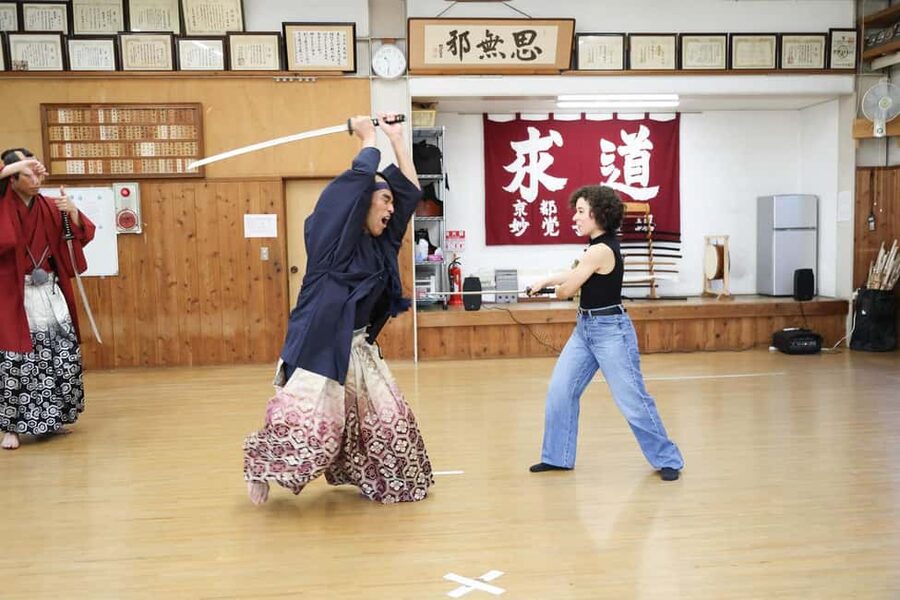
After practice, you perform the sword techniques you learned. This is the payoff of the session, and it is where your camera becomes important.
Photography and video recording are provided with the customer’s camera. You are welcome to take photos and video during the experience, so bring a device that is ready to use and has enough battery and storage. The supplied information does not promise a camera rental, so do not plan on arriving without a way to record the session.
The instructors direct the action sequence and help you perform the learned movements. You might find that the filming takes more concentration than expected. Remembering the order of the techniques, keeping your kimono in place, looking in the right direction, and staying in position can all compete for your attention.
That is not a flaw. It is what makes the final footage personal. The clips will not look like a professional film, but they should show you taking part in a real choreographed scene at a historic temple. You can also shoot the scene with your own camera, giving you extra control over the memories you keep.
A photo download service is included. The exact delivery method and timing are not specified, so check the booking details if you need the images by a particular date. The important point is that the experience includes a lasting digital record in addition to the footage made with your camera.
What the $133 price gets you
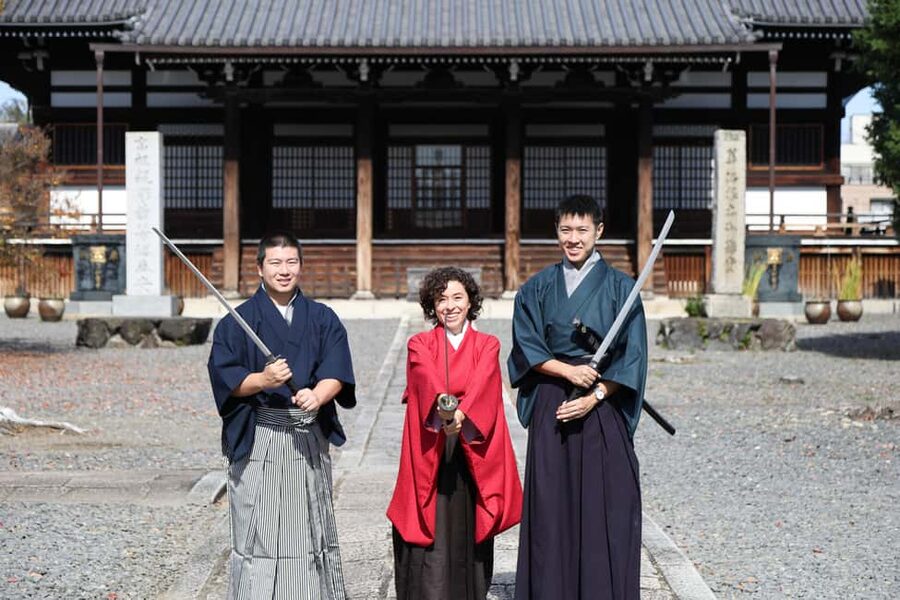
At $133 per person, this is not a low-cost sightseeing stop. The value depends on what you want from a Kyoto activity.
You are paying for several parts in one package:
- Kimono rental
- Swordplay instruction
- A professional chambara performance
- Filming and photography using your camera
- Downloadable photos
- Indemnity insurance specified by the operator
The price makes more sense if you value participation and a personal souvenir. A standard temple visit costs less, but it will not give you a costume, instruction, staged action scene, and personal footage. A separate kimono rental and professional photo session could also add up, although this activity is not presented as a formal portrait package.
The value is less clear if you mainly want to study Japanese swordsmanship. The lesson is short-form performance training, and the activity description does not give a duration or promise advanced instruction. You should book it for the combination of acting, movement, costume, and filming, not as a substitute for a serious martial arts course.
The included insurance is a useful practical detail, though the supplied information does not explain its exact coverage. You should treat it as part of the booking terms rather than assume it covers every situation.
Who will enjoy this most
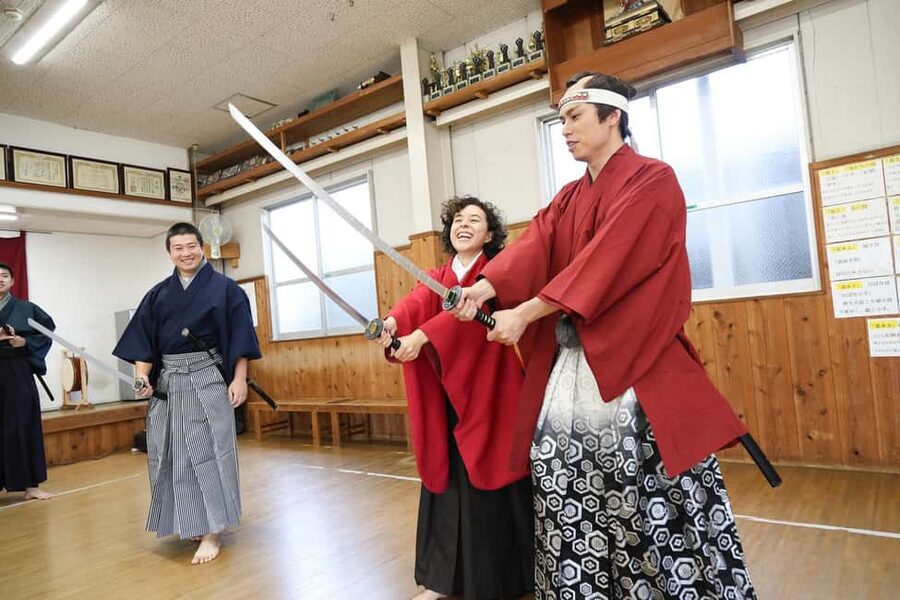
This experience suits you if you like doing something active and a little theatrical. It works particularly well for:
- First-time visitors who want a memorable Kyoto activity beyond temple viewing
- Fans of samurai films and Japanese period dramas
- Parents and teenagers who enjoy performing together
- Couples or friends who want funny, shareable footage
- Solo participants who are comfortable taking direction and appearing on camera
- Families with children aged five or older, provided the child can handle the physical activity
The activity has already worked for a parent and teenage son, and for two boys who attended while their parent did something else. That makes it a useful option for mixed-interest families, though the adults should confirm that the children can follow instructions and move safely.
It may not suit you if you have a back problem, a pre-existing medical condition, or are pregnant. It is also not suitable for children under five or people over 95. Smoking, alcohol, and drugs are not allowed.
If you dislike dressing up, being filmed, or repeating choreographed movements, you may find the central appeal missing. The filming is not an optional afterthought. It is the reason to learn the techniques in the first place.
Practical planning for the session
Bring your camera, and charge it before you arrive. Since the recording uses your equipment, a phone may be enough, but you should make sure it can capture video and has free storage. The activity specifically welcomes photos and video during the experience.
Wear comfortable clothes beneath the kimono. You do not need to bring a meal, since meals are not included, and you should plan food separately around the session. You also need to arrange your own transportation to the temple.
The session is offered in Japanese and English. That does not mean every explanation will be long or formal in English, but English-language participation is available. Sword movements are also demonstrated physically, which can help when a technique is easier to understand by watching than by hearing.
The exact activity duration and group size are not provided. Some sessions may feel intimate, while others may include more participants. If personal filming time or a small class is essential to you, ask the operator before booking rather than assume a particular format.
You can reserve now and pay later, which helps if your Kyoto schedule is still changing. Cancellation is allowed up to 24 hours in advance for a full refund. Those terms are helpful, but you should still check the final booking conditions for the date you choose.
How this compares with a standard Kyoto cultural activity
A normal temple visit gives you time to look, photograph, and reflect. This activity gives you a role to play. It is louder, more physical, and more structured than simply walking through a religious site.
That makes the two options hard to compare directly. If you want quiet architecture and unhurried sightseeing, save your energy for the temple itself and choose another activity. If you want to laugh with your family, learn a few recognizable sword movements, and leave with footage of yourself in costume, this offers something a standard visit cannot.
The temple setting also keeps the activity from feeling entirely artificial. You are still taking part in a staged performance, but the location connects it to Kyoto’s religious and historical setting. The reference to Oda Nobunaga and other Sengoku warlords gives the scene a stronger sense of place than a generic indoor attraction.
Should you book the Myokaku-ji samurai experience?
Book it if you want an active, lighthearted Kyoto memory and like the idea of appearing in your own samurai film. The strongest reasons are the temple location, included kimono, professional actor-instructors, and downloadable photo service.
I would be more cautious if you want serious sword training, a long historical lecture, or a quiet cultural visit. The $133 price is fair for a bundled costume, lesson, performance, and filming session, but only if you plan to take part fully.
For most suitable participants, the best approach is to arrive ready to play along. You do not need acting experience or perfect sword form. You need comfortable clothes, a camera, and a willingness to look a little dramatic in a kimono. That is the point.
FAQ
Where does the samurai experience take place?
It takes place at Myokaku-ji Temple in Kyoto. Meet at the Myokaku-ji Dojo, located to the left after entering through the temple’s main gate.
Is kimono rental included?
Yes. A rental kimono and the kimono dressing experience are included in the price.
Can I take photos and videos during the activity?
Yes. You are welcome to take photos and videos, and photography and video recording are provided with your own camera. A photo download service is also included.
Which sword techniques will I learn?
Instruction includes how to hold and wield the sword, along with techniques such as makkogiri and kesagiri.
Is the activity available in English?
Yes. The listed languages are English and Japanese.
Who should not take part?
The activity is not suitable for children under five, pregnant women, people with back problems, people with pre-existing medical conditions, or people over 95. Smoking, alcohol, and drugs are not allowed.
Newly added screen tours around the world
- York: Game of Thrones Walking Tour★ 5.0 · 2 reviews
- Skopelos Island: Mamma Mia Filming Locations Tour★ 4.9 · 32 reviews
- Zion: Harry Potter-Inspired Zion Ghost Tour with Sunset View★ 5.0 · 8 reviews
- Wellington: Lord of the Rings Half-Day Guided Tour inc Weta★ 5.0 · 5 reviews
- Volcano Movie – Experience the Latest Eruptions in Iceland★ 3.6 · 3 reviews
- Wellington: Half-Day Lord of the Rings Locations Tour★ 4.8 · 10 reviews
- Wellington: Lord of the Rings Filming Locations Tour★ 4.0 · 6 reviews
- Movie World, Sea World, & Wet’n’Wild Multi Park 1-Day Pass★ 4.1 · 4 reviews
Japan Film Location Tours: how the tours compare.

Warner Bros. Studio Tour Tokyo – The Making of Harry Potter
Read our review →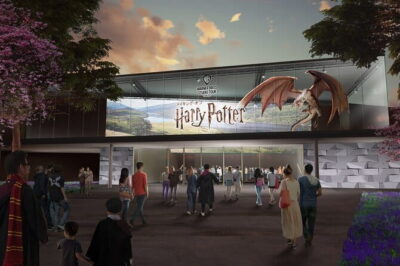
Tokyo WB. Studio Tour Harry Potter’s Creation E-Ticket Optional
Read our review →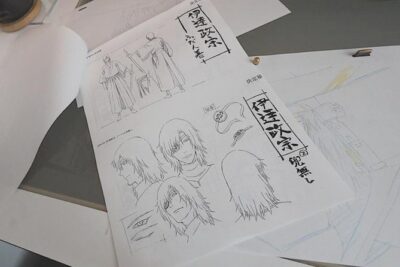
Tokyo Anime Adventure: Studio Tour, Drawing Class & Museum Visit
Read our review →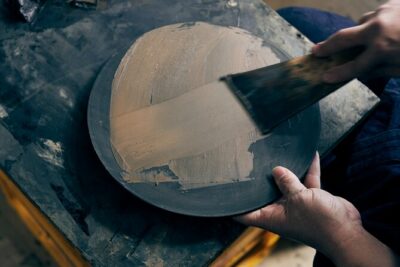
Hiroshima:Private lacquer workshop experience tour(gift included)
Read our review →
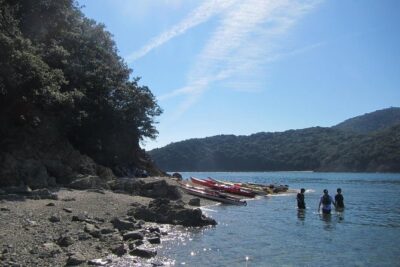
Explore the Nature that Inspired Ghibli Movies by Kayak (Half Day)
Read our review →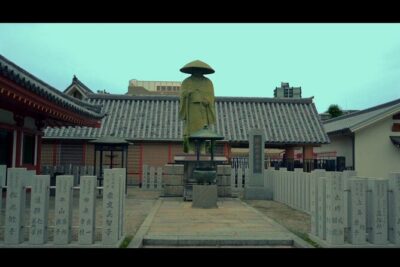
Osaka Cinematic Film experience Video + Photo (ONLY ONE BOOKING)
Read our review →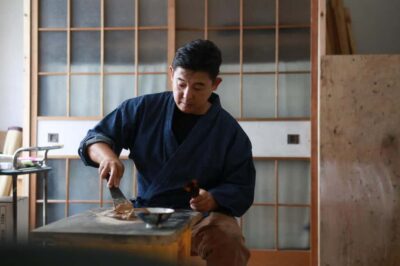
Hiroshima Lacquer Studio Tour & Workshop With a Gift
Read our review →Find this tour on these lists