
Review · JAPAN
Hiroshima Lacquer Studio Tour & Workshop With a Gift
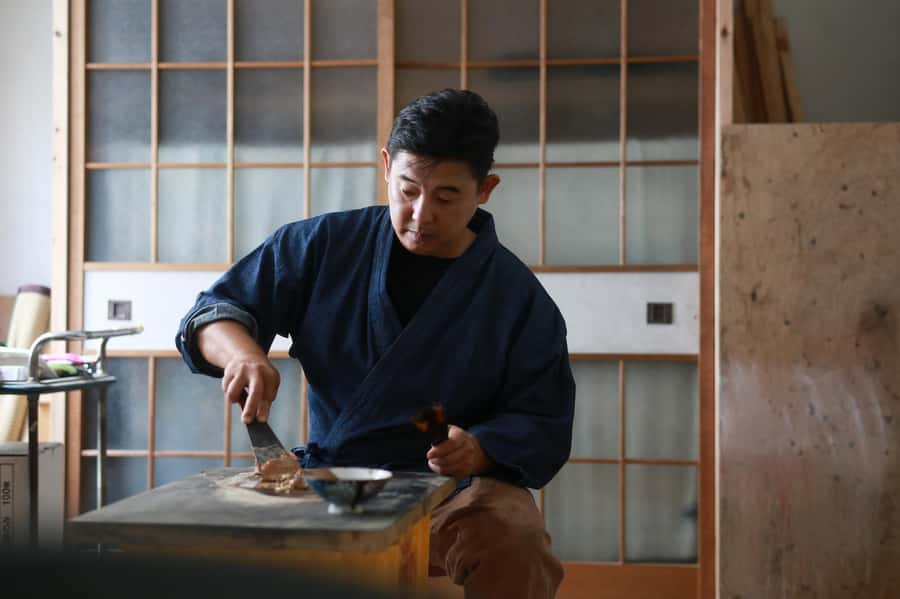
Hiroshima’s lacquer tradition comes to life in the studio of Naoya Takayama, the artist who made gifts for dignitaries at the 2023 G7 Hiroshima Summit. You’ll tour his workroom, hear how his family’s Buddhist altar craft shaped his career, and try the careful process of applying lacquer yourself.
I like the small six-person limit, which gives the workshop a personal feel. I also like the thoughtful connection to Hiroshima: this is a creative, forward-looking experience that offers a different way to understand the city beyond its wartime past.
The main drawback is the price, $309 per person for two hours. That is a serious spend, even with instruction, materials, insurance, and a handmade gift included. I’d choose it for a special occasion or for a traveler who places real value on meeting an active master craftsman.
Key points to know before booking
- See the artist behind the G7 gifts: Naoya Takayama created lacquerware presented to heads of state and their spouses at the 2023 Hiroshima Summit.
- Work beside a master: You’ll learn the basics of lacquer painting and practice spreading a lacquer layer over a wooden base.
- Get English support: The tour is offered in English and Japanese, with interpreter Kazumi assisting the workshop.
- Stay close to Hiroshima Station: The studio is less than 15 minutes from Hiroshima Station by public transportation.
- Take home two kinds of value: You receive a gift made by Takayama, while the lacquer piece you help prepare continues through a longer finishing process.
- Expect a quiet, intimate visit: The group is limited to six people, and the full activity takes about two hours.
Meeting a contemporary Hiroshima lacquer master
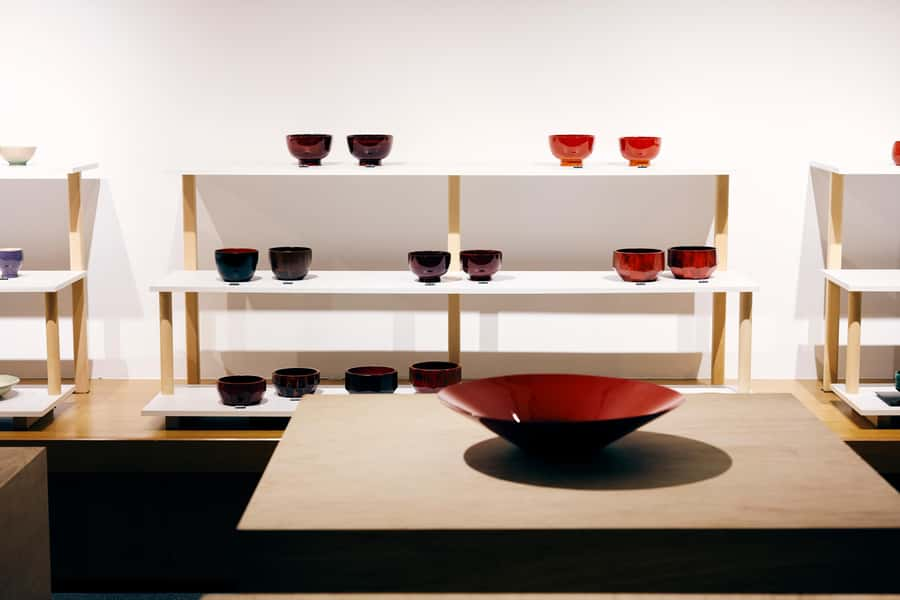
The most unusual part of this experience is its connection to a living artist with a national profile. Naoya Takayama comes from a family with several generations of Buddhist altar artisans, so lacquer was not a casual hobby picked up for tourists. It formed part of his family’s working life.
Takayama later studied Kyoto lacquer-painting techniques and developed his own approach using roiro, described here as wax color. His work favors clean shapes and delicate layers rather than heavy decoration. That gives the craft a modern look while keeping its connection to older Japanese methods.
The G7 connection adds useful context, but it is not the only reason to visit. At the 2023 summit, Hiroshima’s mayor presented a sake drinking set with a dove-shaped vessel. The dove represented peace, and its lacquer patina was designed to change color over time, inspired by the Seto Inland Sea.
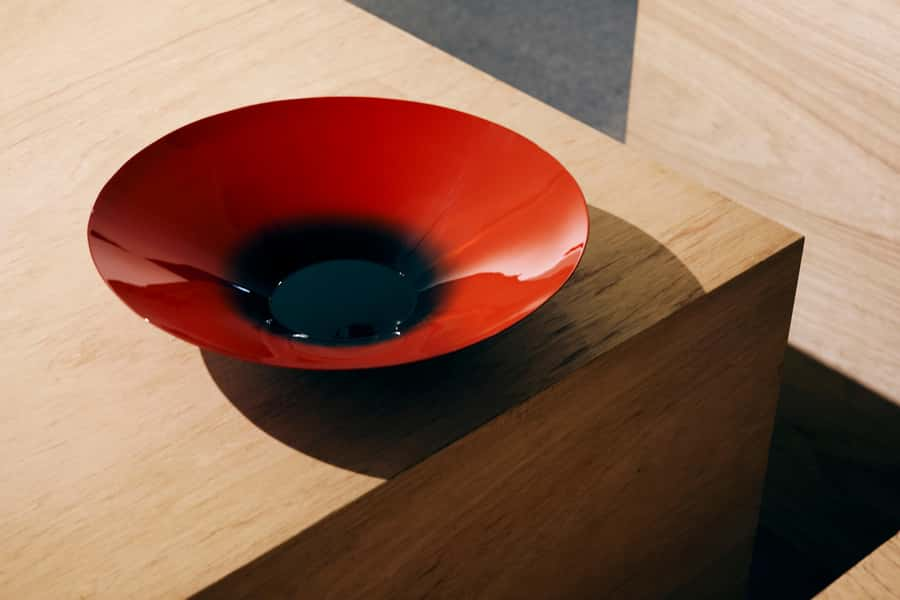
Another gift, called Akebono, used a red and black gradation to suggest dawn and the beginning of a new day. These details show how lacquer can carry a message, not simply cover a bowl or cup with color. The object’s shape, surface, aging process, and symbolism all work together.
You will not simply look at finished pieces behind glass. You will hear about Takayama’s methods and inspirations, then handle some of the same basic ideas under his direction. That makes the visit more personal than a standard craft demonstration.
More Film Studio Tours in the world:
- From London: Harry Potter Warner Bros Studio Tour
★ 4.7 · 26,588 reviews - Los Angeles: Warner Bros. Studio Tour Hollywood
★ 4.6 · 7,191 reviews - Harry Potter: Warner Bros. Studio Tour from King’s Cross
★ 4.7 · 6,442 reviews
Finding the studio near Hiroshima Station
The meeting point is at the entrance of the lacquer store, marked by a large sign reading 仏壇 高山清, or Butsudan Takayama-kiyoshi. The postal code provided for the starting point is 730-0033. The studio is less than 15 minutes from Hiroshima Station by public transportation, so it fits neatly into a day of sightseeing.
This short journey matters. You do not need to set aside half a day for a distant craft village or rural workshop. You can visit the studio before or after Hiroshima Castle, the Peace Memorial Park, or other central sights, though you should allow enough time to find the store entrance.
The activity begins and ends at the same meeting point. That makes the logistics simple, especially if you are building a tight Hiroshima schedule. Since the exact starting times depend on availability, check the time before arranging another timed visit.
The shop sign is written in Japanese, so keep the name handy on your phone. The large sign should help, but knowing the Japanese characters gives you an extra bit of confidence when you arrive.
What the two-hour visit includes
The experience has two linked parts: a studio tour and a practical workshop. The tour gives you the setting and background, while the workshop lets you try a small part of the process.
You will begin by seeing Takayama’s studio, original creations, materials, and working methods. The point is not just to admire a polished object. You get a look at the materials and stages behind the glossy surface, which helps explain why Japanese lacquerware takes patience.
The English interpreter, Kazumi, helps make the technical material easier to follow. English and Japanese are both offered, and the interpretation lets Takayama explain his work while you receive clear guidance during the practical portion.
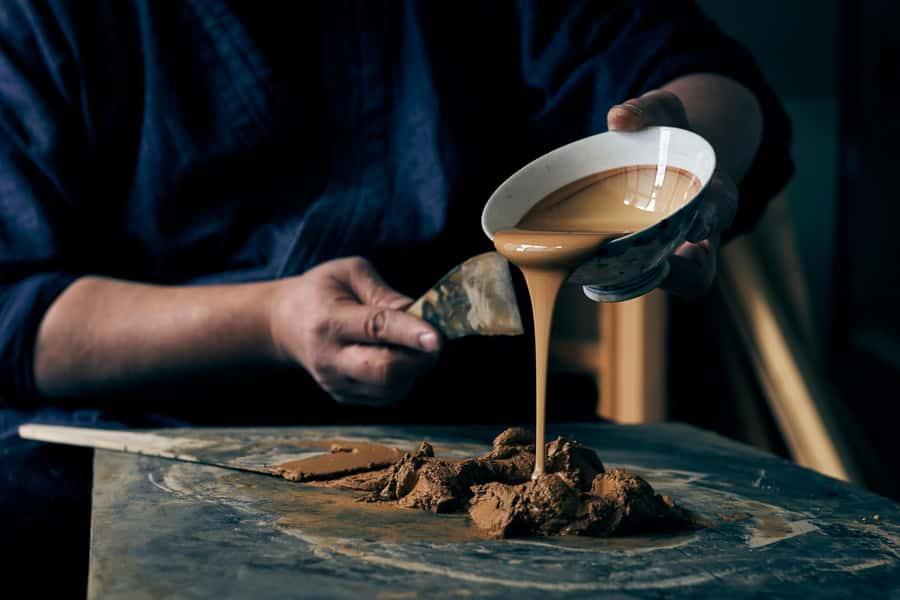
The workshop centers on molding or spreading lacquer under Takayama’s instruction. One hands-on account describes mixing the elements needed for a urushi lacquer layer and practicing how to spread it across a wooden base. That is a useful expectation: you are learning a real stage of the craft, but you are not completing a full heirloom bowl in two hours.
A finished lacquer object can take many weeks to create and paint. The mixture you help prepare may become part of a finished item for someone else to enjoy, rather than becoming a completed souvenir in your hands that same afternoon.
That distinction is important. If you want a quick craft project to carry home immediately, this may feel less direct. If you want to understand how slow and layered lacquer work really is, it adds meaning to the exercise.
Why the hands-on lacquer lesson matters
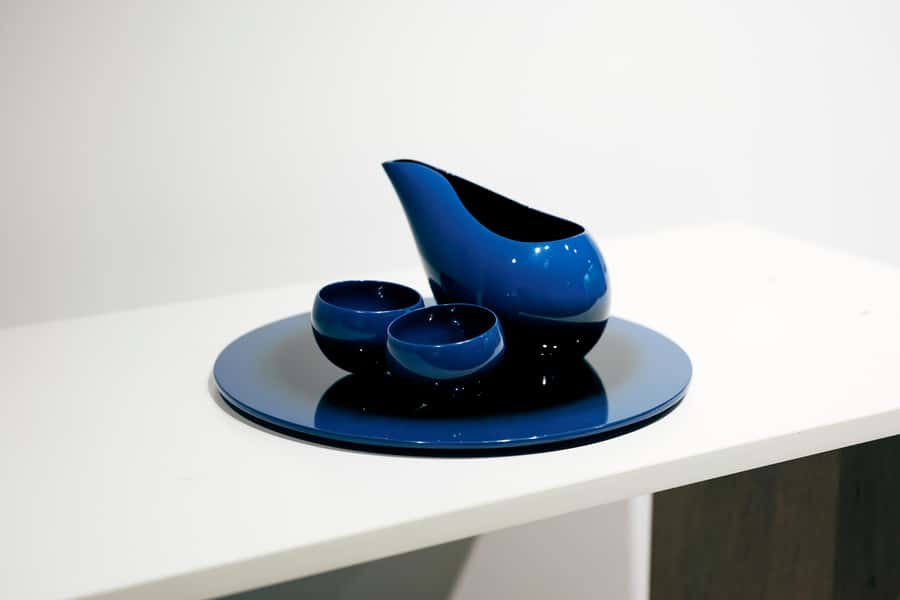
Lacquer can look effortless when you see the finished surface. It is smooth, refined, and often perfectly even. The workshop shows you that this appearance comes from controlled technique and repeated work.
Spreading a lacquer layer across wood requires care. You are not just painting a bright color onto a flat surface. The thickness, coverage, and finish affect what comes later. Even a short practice session can change the way you look at lacquerware in shops and museums.
I like this part because it avoids the usual craft-demo problem, where you watch an expert work and then receive a pre-made item. Here, you take part in one step while Takayama remains close enough to guide you. The activity gives you a modest taste of the discipline without pretending that you have become a master in an afternoon.
The process also makes the handmade gift more meaningful. You receive a special item crafted by Takayama, but you also leave with a better sense of the time behind it. When you see the finished surface later, you can connect it to the mixing, coating, drying, and painting stages explained in the studio.
The exact design and size of the gift are not specified, so do not book this expecting a particular object. Its value comes from its connection to the artist and the craft, rather than from choosing a product from a catalog.
More Film Workshops in the world:
- 2- Hour Pottery Workshop and Studio Tour in Ojai
★ 5.0 · 51 reviews - Malta: Game of Thrones Location Yoga Class
★ 4.8 · 42 reviews - Tokyo Anime Adventure: Studio Tour, Drawing Class & Museum Visit
★ 4.5 · 18 reviews - Bollywood Dance Class – Groove and shake on Hindi Movie hits !
★ 4.0 · 11 reviews
The G7 connection and Hiroshima beyond the bomb
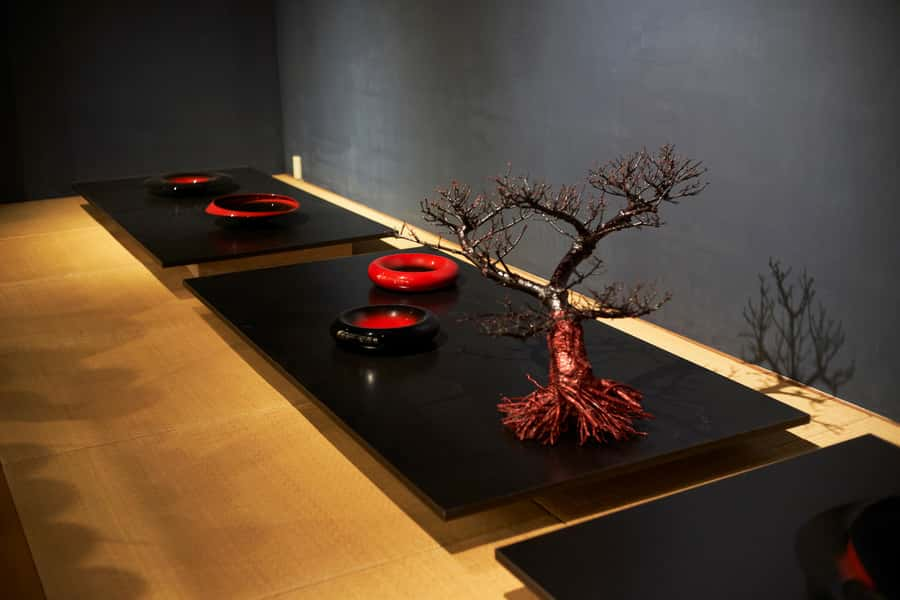
Hiroshima is often reduced to one painful chapter of history. That history matters, and the Peace Memorial Park deserves serious time. Still, the city also has active makers, family businesses, artists, and cultural traditions that continue into the present.
This workshop gives you a way to see that side of Hiroshima. The dove-shaped sake vessel and the dawn-colored Akebono bowls link lacquer to peace, renewal, and the Seto Inland Sea. Those are not abstract themes pasted onto a souvenir. They are built into the objects’ forms and changing surfaces.
I find that especially useful for repeat visitors and for anyone who wants a fuller picture of the city. You can spend the morning at the Peace Memorial Museum and later meet an artist whose work speaks to Hiroshima’s present and future. The contrast is thoughtful without turning the workshop into a political lecture.
Takayama’s family background also adds depth. Buddhist altar making requires precision and care, and those skills carry into contemporary lacquerware. You get to see how an old family trade can continue through new forms, modern silhouettes, and commissions for major public events.
Is $309 good value for two hours?
At $309 per person, this is not a budget activity. You are paying for a private-feeling encounter with a recognized artist, an interpreter, the studio tour, tools and materials, insurance, and a handmade gift. The group limit of six helps justify some of the cost because the workshop is designed around direct guidance rather than a large demonstration.
Still, the price will not make sense for everyone. If your main goal is to buy Japanese lacquerware, you can likely spend less elsewhere. If you want a broad introduction to Japanese crafts, a museum or regular class may offer more time for less money.
I would see this as a specialist experience. It suits you if you collect craft knowledge, enjoy making things, value personal instruction, or want a meaningful Hiroshima activity beyond the usual sightseeing route. It also works well as a special splurge during a Japan trip, particularly if you prefer meeting makers to simply browsing shops.
The gift improves the value, but it should not be the only reason to book. The strongest part is the access to Takayama’s studio and the chance to understand his methods. Think of the gift as the lasting reminder, not the entire product you are buying.
Group size, access, and practical comfort
The maximum group size is six. That is a useful limit for a workshop because you should have room to follow the demonstration and receive attention during the practical stage. A smaller group also makes it easier to ask questions through the interpreter.
The activity is listed as wheelchair accessible, with accessible surfaces and transportation. Strollers are also accepted, and most people can participate. Since craft studios can have working tools and materials, mention any specific mobility or participation needs when booking, even though the experience is designed to be accessible.
The tour lasts two hours. That is long enough for an introduction, studio visit, demonstration, and practice session, but short enough to fit around central Hiroshima sightseeing. The schedule is compact, so arrive ready to start at the meeting time rather than expecting a loose drop-in visit.
Additional purchases are available at the studio. You do not need to buy anything else, but the option can be useful if you see a piece that suits your taste or budget. Because no product prices are given, treat any extra shopping as optional rather than part of your cost planning.
You can cancel up to 24 hours in advance for a full refund, and the reserve-now, pay-later option keeps your plans flexible. Those terms are helpful if your Hiroshima schedule may change, though you still need to check availability for the date and starting time you want.
Who should book this experience?
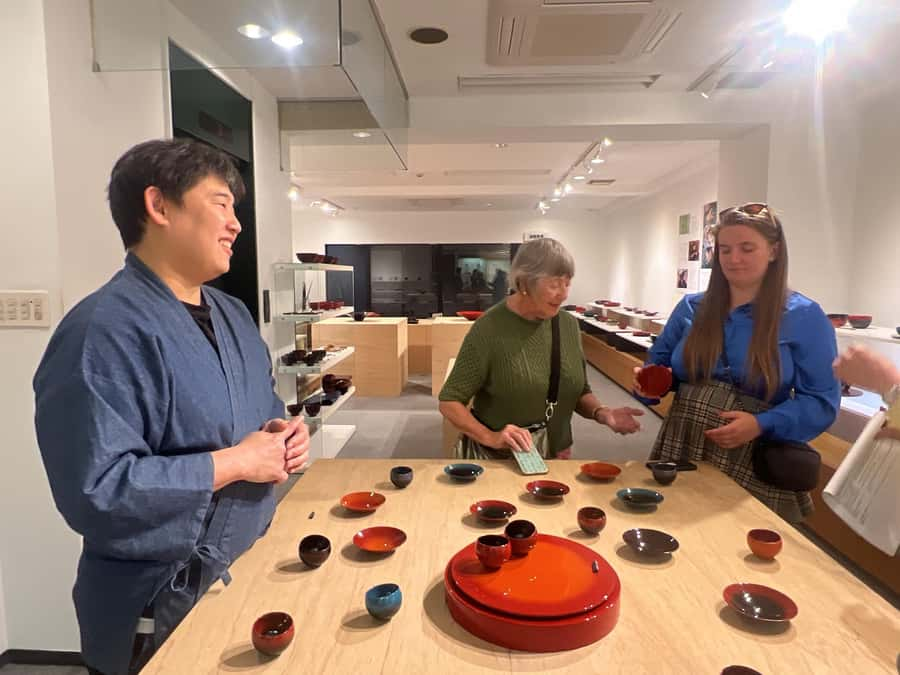
I would recommend it most strongly to people who enjoy Japanese craft, design, art history, and small-group activities. It is also a good choice if you have already visited Hiroshima’s major memorial sites and want a quieter cultural experience with a direct local connection.
Families may appreciate the hands-on element, though the material requires care and the activity is still a focused craft lesson. The wheelchair and stroller access make it easier for more people to consider, but you should decide based on your group’s comfort with a detailed two-hour workshop.
You may want to skip it if you are looking for a broad tour of Hiroshima, a long making session, or a cheap souvenir activity. You also may feel the price is too high if you are not especially interested in lacquer or meeting the person behind the work.
Should you book the Hiroshima lacquer studio workshop?
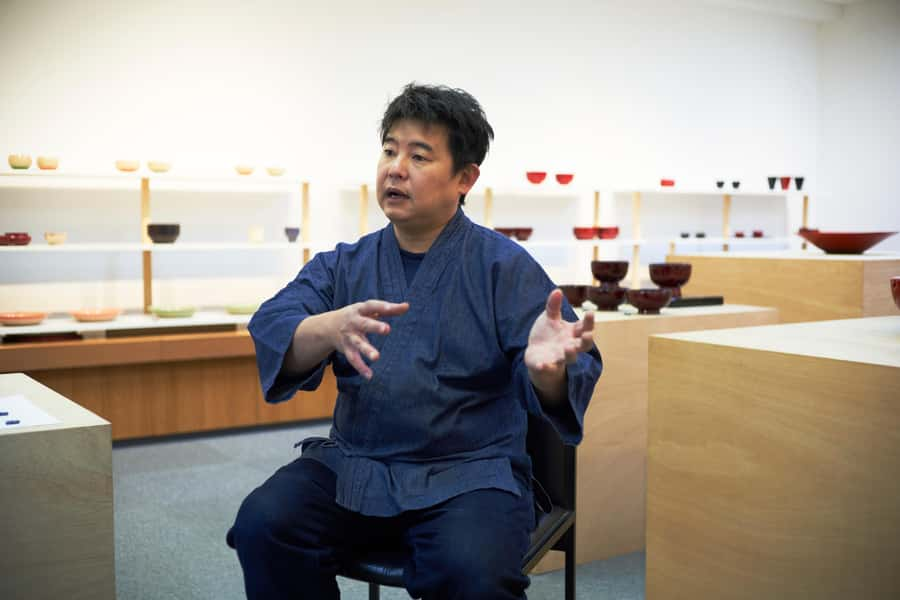
Book this if you want a rare look at contemporary Japanese lacquerware from the artist himself. The G7 commission, the peace symbolism, the family connection to Buddhist altar making, and the guidance from Takayama and Kazumi give the two hours real substance.
I would not book it just because the gift sounds attractive. Book it because you want to understand why lacquer takes weeks, how a master builds a surface, and how Hiroshima’s creative life extends beyond its best-known memorials. At $309, it is a splurge, but for the right person, it offers something a standard sightseeing stop cannot.
FAQ
Where does the lacquer workshop begin?
Meet at the entrance of the lacquer store marked by a large sign reading 仏壇 高山清, or Butsudan Takayama-kiyoshi. The activity ends back at the same meeting point.
How long does the experience last?
The studio tour and workshop take about two hours. Starting times vary, so check availability for your chosen date.
How close is the studio to Hiroshima Station?
The studio is less than 15 minutes from Hiroshima Station by public transportation.
Is the workshop offered in English?
Yes. The activity is available in English and Japanese, and interpreter Kazumi provides English support.
What is included in the price?
The price includes instruction from lacquer master Naoya Takayama, interpreter service, the studio tour, lacquerware tools and materials, a souvenir, and insurance.
Is the workshop wheelchair accessible?
Yes. The activity is listed as wheelchair accessible, with accessible surfaces and transportation. It is also stroller accessible, and most people can participate.
Newly added screen tours around the world
- York: Game of Thrones Walking Tour★ 5.0 · 2 reviews
- Skopelos Island: Mamma Mia Filming Locations Tour★ 4.9 · 32 reviews
- Zion: Harry Potter-Inspired Zion Ghost Tour with Sunset View★ 5.0 · 8 reviews
- Wellington: Lord of the Rings Half-Day Guided Tour inc Weta★ 5.0 · 5 reviews
- Wellington: Half-Day Lord of the Rings Locations Tour★ 4.8 · 10 reviews
- Volcano Movie – Experience the Latest Eruptions in Iceland★ 3.6 · 3 reviews
- Movie World, Sea World, & Wet’n’Wild Multi Park 1-Day Pass★ 4.1 · 4 reviews
- Virtual reality movie – experience I AM LITHUANIA★ 4.4 · 5 reviews
Film Studio Tours: how the tours compare.
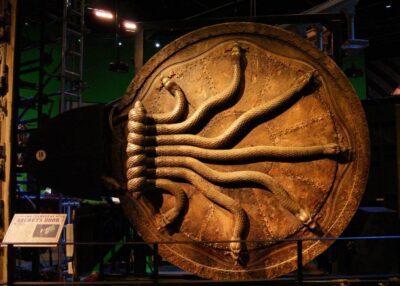
From London: Harry Potter Warner Bros Studio Tour
Read our review →
Los Angeles: Warner Bros. Studio Tour Hollywood
Read our review →
Harry Potter: Warner Bros. Studio Tour from King’s Cross
Read our review →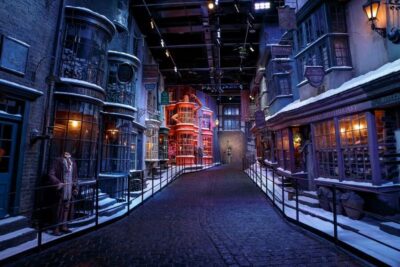
London: Warner Bros. Studio Tour with Return Transportation
Read our review →

London: Harry Potter Studio Tour and Oxford Day Trip
Read our review →
Universal Studios Hollywood General Admission Ticket, California
Read our review →
Skip the Line: Express Ticket at Universal Studios Hollywood
Read our review →Find this tour on these lists