
Review · JAPAN
Hiroshima:Private lacquer workshop experience tour(gift included)
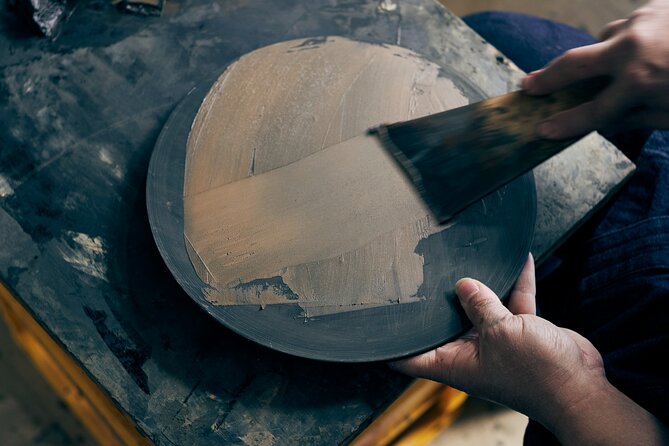
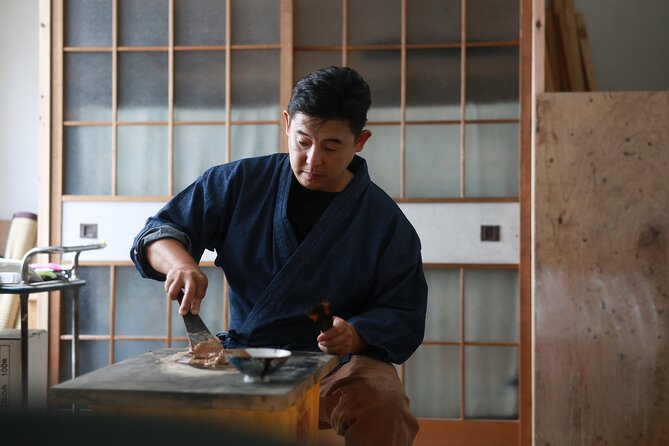
Hiroshima’s traditional lacquer craft comes alive in a small studio led by Naoya Takayama, an artist who connects Buddhist altar workmanship with tableware for daily use. You’ll hear how natural lacquer is handled, see the fine finish up close, and try the painting technique yourself.
I like the direct contact with a working craftsperson, and I like that the workshop addresses the decline of traditional crafts rather than presenting lacquer as a frozen museum subject. The main drawback is the price: at $287.41 per person for about two hours, this is a serious splurge for a short activity.
Key points
- Artist-led instruction: Naoya Takayama teaches the craft and introduces the work of his father, Kiyoshi Takayama.
- A living Hiroshima tradition: The workshop explains how Buddhist altar lacquer skills are being adapted for modern tableware.
- Hands-on painting: You do more than watch, with a chance to try lacquer painting techniques yourself.
- G7 Summit connection: Naoya Takayama’s award-winning work was selected as a G7 Summit gift.
- Small group setting: The maximum group size is six, allowing for a more personal studio experience.
- Handmade takeaway: You receive a work made by the instructor, giving the experience a lasting physical reminder.
Meeting a Hiroshima lacquer artist
The activity begins at 2-17 Horikawachō in Naka Ward, Hiroshima. It ends at the same meeting point, so you do not need to arrange a separate return transfer or figure out where the workshop finishes.
This is a private workshop setting, with a maximum of six people. That small size matters. Lacquer work involves fine details, and a crowded demonstration would make it harder to see the artist’s hand or ask useful questions. A compact group also gives the session a more personal feel than a large craft class.
The artist associated with the workshop is Naoya Takayama. He studied traditional Kyoto lacquer painting and later developed his own approach, including the roiro, or wax color, technique. His work keeps the polished look associated with formal Japanese lacquer while applying it to objects intended for everyday use.
That balance is central to the experience. You are not simply being shown an old decorative art. You are being introduced to a craft that is trying to remain useful in modern life.
More Film Workshops in the world:
- 2- Hour Pottery Workshop and Studio Tour in Ojai
★ 5.0 · 51 reviews - Malta: Game of Thrones Location Yoga Class
★ 4.8 · 42 reviews - Tokyo Anime Adventure: Studio Tour, Drawing Class & Museum Visit
★ 4.5 · 18 reviews
From Buddhist altars to daily tableware
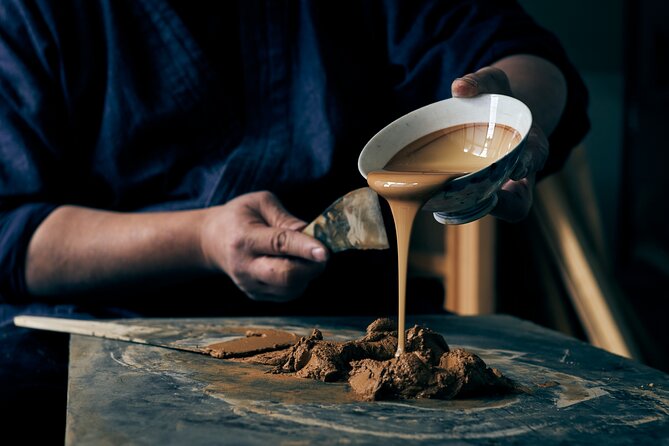
The workshop begins with the origins of Hiroshima’s Buddhist altar craft. This context helps you understand why the surface of lacquerware matters so much. Lacquer is not just a colored coating. Its value comes from the careful work required to build a smooth, durable, refined surface.
You will learn about the techniques traditionally used in Hiroshima Buddhist altar making, with the instructor also explaining the work and legacy of Kiyoshi Takayama, the founder of the company. The family connection adds a useful human thread to the history. You can see how skills are passed from one generation to the next, then adjusted for new uses.
The session also addresses the current decline of traditional crafts. That is one of the more worthwhile parts of the program because it puts the workshop in present-day terms. You learn not only how the craft was practiced, but why it needs new ideas and new markets to survive.
The move toward tableware is one answer. Lacquered pieces made with natural materials can bring a formal Japanese finish into ordinary routines. A bowl, tray, or other household object does not need to sit behind glass to have artistic value. It can be used and appreciated repeatedly.
Watching the lacquer process up close
A major part of the experience is seeing the craftsperson at work. The fine surface of lacquerware can look simple when finished, but the process requires control and patience. The studio demonstration gives you a chance to connect the polished final object with the handwork behind it.
The information provided for the session does not list every step or the exact object you will handle. That is worth keeping in mind if you are booking with a very specific project in mind. The confirmed focus is on learning lacquer techniques and taking part in lacquer painting, not on producing a particular bowl, plate, or decorative item.
Still, the open format may suit you better than a rigid project class. You can focus on the artist’s movements, the finish of the material, and the ideas behind the work instead of rushing to complete a complicated object in a short time.
The studio staff are described as welcoming, and the workshop includes a chance to try some of the techniques yourself. That hands-on portion is important. Watching a master makes the craft look effortless. Trying it gives you a much clearer sense of how exact the work must be.
Trying lacquer painting yourself
Your practical session centers on lacquer painting. The exact design and materials are not specified, so you should think of this as an introduction rather than a full apprenticeship.
That distinction helps set fair expectations. In two hours, you can learn the background, watch an artist demonstrate the craft, try selected techniques, and gain a better eye for the finished work. You will not master a complex traditional process in one sitting.
I like the combination of explanation and making. A lecture alone would give you facts but little physical connection. A simple craft activity without context could feel like a souvenir exercise. Here, the story of Hiroshima’s altar craft gives the painting a larger purpose.
The activity may be especially rewarding if you enjoy visual arts, Japanese design, or traditional handwork. It also suits people who prefer a quiet cultural activity to a packed sightseeing schedule. The group limit of six should help keep the pace measured, though the workshop remains short enough to fit into a day of exploring Hiroshima.
Same scenes, a different way to walk into them:
- From London: Harry Potter Warner Bros Studio Tour
★ 4.7 · 26,588 reviews - Magical London: Harry Potter Guided Walking Tour
★ 4.7 · 22,044 reviews - London: Warner Bros. Studio Harry Potter Tour & Branded Bus
★ 4.7 · 19,194 reviews - Edinburgh: Harry Potter Magical Guided Walking Tour
★ 4.8 · 11,944 reviews
Why Naoya Takayama’s work matters
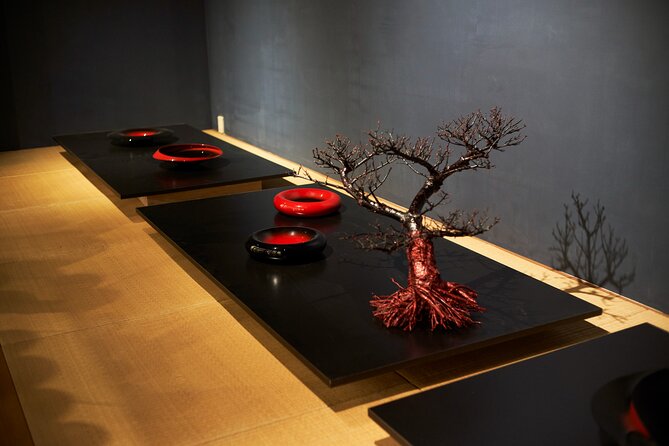
Naoya Takayama has received awards for his lacquer work, and pieces connected with his craft were selected as a gift at the G7 Summit. That detail gives you a clear sense of the level of workmanship involved.
You should not expect a formal exhibition of every award-winning piece, since the activity is described as a workshop and lacquer experience. But learning directly about an artist whose work received that recognition adds weight to the demonstration. You are not being handed a generic craft activity led by an unknown instructor.
Naoya’s approach also reflects an important question for traditional Japanese arts: how do you preserve technique without limiting it to historical objects? His work uses the skills associated with Kyoto lacquer painting and Hiroshima Buddhist altar craftsmanship, while exploring new forms for modern use.
That makes the session useful for anyone interested in design as well as history. You can look at the pieces not only as beautiful objects, but also as examples of how a traditional craft adapts without losing its character.
The handmade gift at the end
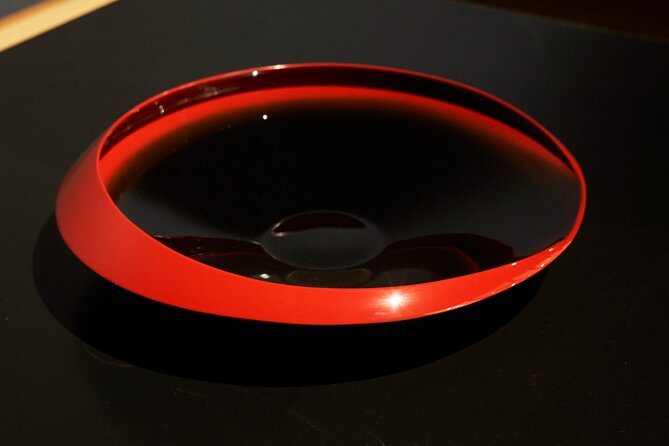
The tour includes a gift made by the instructor. This is more meaningful than a standard shop purchase because it connects directly to the demonstration and the person who led it.
The information provided does not specify the gift’s exact object, size, design, or value. You should not book expecting to select a particular item or take home the piece you painted. The stated benefit is a work made by the instructor.
Even with that limitation, the gift improves the value of the experience. You leave with something that reflects the craft rather than only a photograph or a brief memory. It also gives you a chance to keep using or displaying a small example of lacquer workmanship after returning home.
If you are comparing this with a cheaper make-and-take craft class, remember the difference. Part of the cost here pays for access to an established artist, a studio explanation, and a handmade piece from the instructor.
Is $287.41 worth two hours?
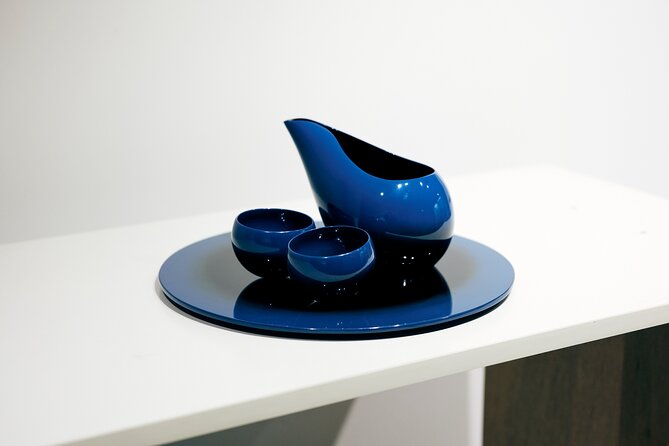
At $287.41 per person, this is expensive for a two-hour activity. You should judge it as a private or small-group art encounter, not as a low-cost tourist class.
The value is strongest for you if you care about Japanese craftsmanship and want direct instruction from a recognized artist. The award-winning work, the family connection to Kiyoshi Takayama, the discussion of craft decline, and the instructor-made gift all add substance.
The value is weaker if you mainly want a long hands-on session or a large finished item to take home. The available details do not promise that you will complete a substantial piece yourself. The activity is better understood as a guided introduction with a practical element.
The price may also be easier to justify if you have already seen Hiroshima’s major historical sights and want a different side of the city. It gives you access to a working tradition that is easy to miss when your schedule is limited to monuments and museums.
Location, group size, and timing
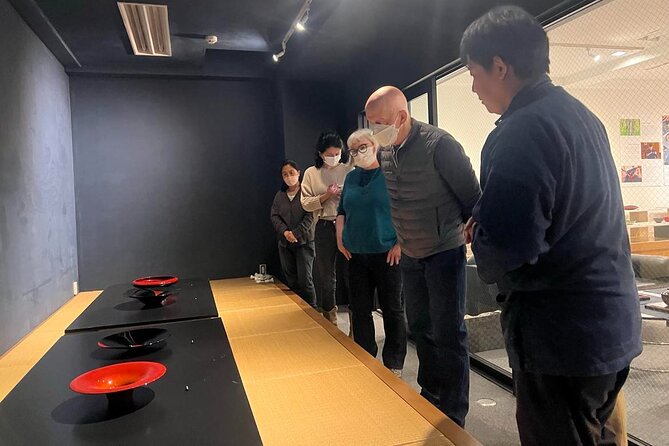
The meeting point is near public transportation at 2-17 Horikawachō, Naka Ward, Hiroshima, postal code 730-0033. Because the activity ends at the starting point, you can plan the rest of your day without arranging a pickup.
The two-hour length is convenient. You can fit it between other plans, but do not expect a full-day craft course. The group maximum is six, and most people can participate according to the supplied activity details.
A mobile ticket is provided, which means you can keep confirmation available on your phone. Confirmation is received when you book.
The activity is free to cancel up to 24 hours before the local start time for a full refund. Cancellations or changes made less than 24 hours before the start are not accepted for a refund, so check your Hiroshima schedule carefully before the cut-off.
Who should book this workshop?
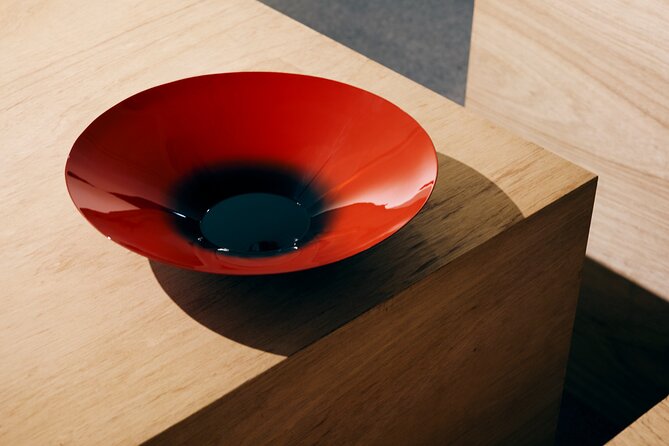
I would point this experience toward people who enjoy art, design, Japanese culture, and careful handwork. It is also a good choice for a repeat visitor to Japan who has already seen the standard sights and wants a more focused cultural encounter.
It suits couples, solo participants, and small groups who are comfortable paying for specialist instruction. The maximum of six makes it less anonymous than a large class.
Families can consider it too, since most people can participate, but the activity is not specifically described as a children’s program. If you need a session built around young children, ask before booking.
You should also book with realistic expectations. The purpose is to understand lacquer craft, observe a master, try selected techniques, and receive an instructor-made gift. It is not presented as a long course, a factory visit, or a guaranteed chance to complete a major lacquerware item.
My take on the Hiroshima lacquer experience
This workshop offers something many Hiroshima itineraries lack: a close look at a living local craft and the people working to keep it useful. I especially like the connection between Buddhist altar craftsmanship and contemporary tableware. It gives the experience a clear reason for existing today.
The personal link between Kiyoshi and Naoya Takayama adds depth, while the G7 Summit connection shows that this is serious studio work, not a souvenir-shop demonstration. The chance to paint yourself makes the craft easier to appreciate, and the handmade gift gives the short session a lasting finish.
The high cost remains the key concern. At $287.41, you need to care about lacquer enough to value the instruction, the artist’s time, the small group, and the handmade gift. If that sounds right, book it. If you mainly want an inexpensive activity or a large project to complete, spend your budget elsewhere.
FAQ
Where does the lacquer workshop take place?
The meeting point is 2-17 Horikawachō, Naka Ward, Hiroshima, 730-0033, Japan. The activity ends back at the same meeting point.
How long does the experience last?
The workshop lasts approximately two hours.
Who leads the lacquer experience?
The experience is associated with Hiroshima artist Naoya Takayama. The workshop also introduces the traditional work of Kiyoshi Takayama, the founder of the company.
How many people can join the workshop?
The activity has a maximum of six participants.
Will I get to try lacquer painting?
Yes. The experience includes a lacquer painting activity and instruction in traditional lacquer techniques.
Is a gift included?
Yes. You receive a gift made by the instructor.
Can I cancel for a full refund?
Yes. You can cancel at least 24 hours before the experience’s local start time for a full refund. Cancellations or changes made less than 24 hours before the start are not accepted for a refund.
Newly added screen tours around the world
- York: Game of Thrones Walking Tour★ 5.0 · 2 reviews
- Skopelos Island: Mamma Mia Filming Locations Tour★ 4.9 · 32 reviews
- Zion: Harry Potter-Inspired Zion Ghost Tour with Sunset View★ 5.0 · 8 reviews
- Wellington: Lord of the Rings Half-Day Guided Tour inc Weta★ 5.0 · 5 reviews
- Wellington: Half-Day Lord of the Rings Locations Tour★ 4.8 · 10 reviews
- Volcano Movie – Experience the Latest Eruptions in Iceland★ 3.6 · 3 reviews
- Movie World, Sea World, & Wet’n’Wild Multi Park 1-Day Pass★ 4.1 · 4 reviews
- Virtual reality movie – experience I AM LITHUANIA★ 4.4 · 5 reviews
Japan Film Location Tours: how the tours compare.

Warner Bros. Studio Tour Tokyo – The Making of Harry Potter
Read our review →
Kyoto : Samurai Movie Star Experience at Myokaku-ji Temple
Read our review →
Tokyo WB. Studio Tour Harry Potter’s Creation E-Ticket Optional
Read our review →
Tokyo Anime Adventure: Studio Tour, Drawing Class & Museum Visit
Read our review →

Explore the Nature that Inspired Ghibli Movies by Kayak (Half Day)
Read our review →
Osaka Cinematic Film experience Video + Photo (ONLY ONE BOOKING)
Read our review →
Hiroshima Lacquer Studio Tour & Workshop With a Gift
Read our review →Find this tour on these lists