
Review · ICELAND
Volcano Exhibition and Cinema – Lava Centre Iceland
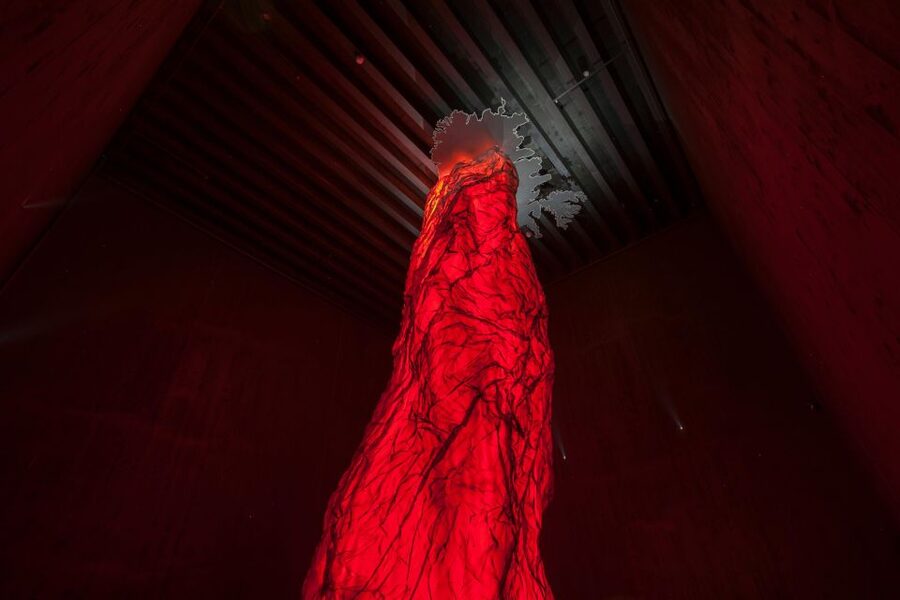
Iceland’s volcano story comes alive at Lava Centre, where you can watch recent eruptions on film, feel a simulated earthquake, and look toward the real volcanoes that shaped southern Iceland. The displays explain why this country has black sand, geysers, lava fields, and oddly colored mountains without turning the subject into a dry science lesson.
I especially like the live earthquake map, which connects Iceland’s restless geology to what is happening now, and the wide volcano views from the observation deck. The cinema is another strong point, particularly if you are not visiting an active eruption site yourself.
The main consideration is time. The attraction is listed as valid for one day, but you may find that about an hour is enough for a focused visit. At $42 per person, it offers good value for families, curious adults, and anyone driving Iceland’s south coast, though it may feel expensive if you only want a quick viewpoint.
Key points at Lava Centre
- Watch recent eruptions near Grindavík and the Blue Lagoon in the cinema.
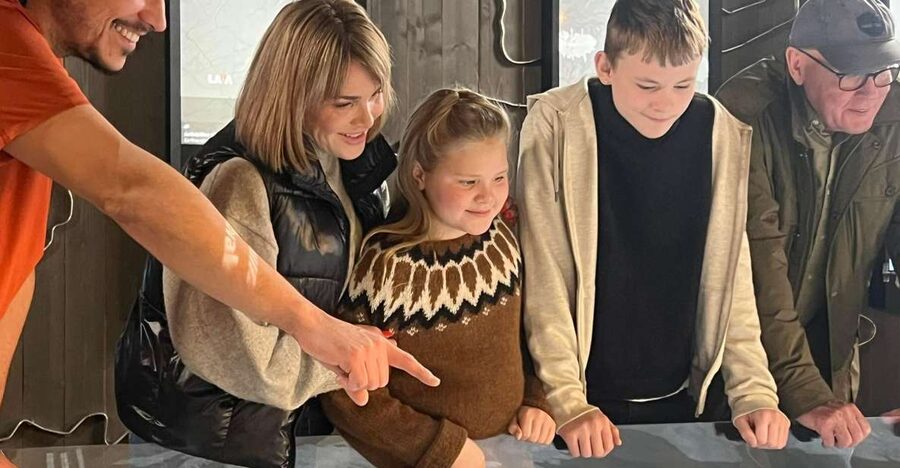
- Feel a simulated earthquake in the Trembling Earth section.
- See how magma becomes lava and tephra through hands-on displays.
- Track real earthquakes on a live map and connect them to Iceland’s moving plates.
- Look toward Eyjafjallajökull, Katla, Hekla, and volcanic islands from the observation deck.
- Use wheelchairs throughout the accessible attraction, with ear muffs, flashlights, and support teddy bears available for young children.
Why Lava Centre makes sense on Iceland’s south coast
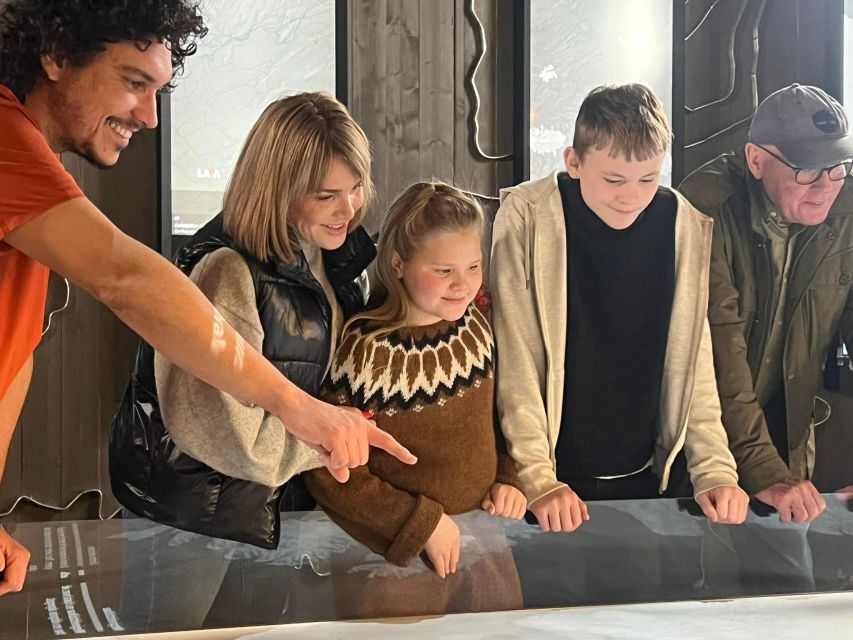
Lava Centre sits in southern Iceland with views toward some of the country’s best-known volcanoes. That location matters. You are not learning about volcanoes in an isolated indoor museum. You are looking across the region where volcanic activity, glaciers, earthquakes, and new rock have shaped daily life and travel routes.
The center focuses on Iceland’s geological story from several angles. You learn about diverging tectonic plates, rising magma, volcanic structures, ash, lava, and the forces that continue to reshape the country. The information is presented through displays, video, maps, and physical effects, so you can move from basic ideas to more dramatic examples without needing a science background.
I like this approach because Iceland’s natural sights can otherwise seem disconnected. A black beach may look like a striking photo stop. A geyser may seem like a one-off oddity. A colorful mountain may simply look unusual. Lava Centre shows how these features belong to the same larger story.
The building also gives you a useful sense of scale. Iceland has 30 volcanic systems, with several types of volcanoes and many different eruption patterns. You do not need to memorize all of them. The point is to see that Iceland is not shaped by one famous volcano, but by a broad network of volcanic forces.
More Film Museums and Exhibitions in the world:
- Split: Game of Thrones Museum Entrance Ticket
★ 3.8 · 385 reviews - Minoans World 3D Museum & 9D Cinema
★ 4.5 · 315 reviews - Star Wars story Museum Ticket Pass
★ 5.0 · 249 reviews
Start with the Trembling Earth
The Trembling Earth section explains the movement of Iceland’s tectonic plates. The plates are pulling apart, while magma rises from below. That combination creates frequent earthquakes and supplies the material that can eventually reach the surface as lava.
A live earthquake map helps make the subject feel current. Instead of treating earthquakes as something locked in the past, you can see that the ground beneath Iceland is still active. The map is especially useful before or after a drive through the south, because it gives context to a country where volcanic warnings and seismic activity are part of modern life.
Then comes the earthquake simulator. You experience a controlled version of the movement rather than only reading about it. The effect adds drama, but it also has a practical purpose: it gives you a physical sense of how quickly stable ground can become unstable.
Families will likely appreciate this section. Younger children can grasp a shaking floor more easily than a long explanation about plate boundaries. Ear muffs are available, which is useful if the sound effects are too strong for small children. Support teddy bears are also provided for the youngest visitors.
The simulator will not satisfy someone looking for a full thrill ride. It is a short educational feature, not an amusement attraction. Think of it as a memorable way to understand a force that is otherwise hard to picture.
Follow magma from the mantle to the surface
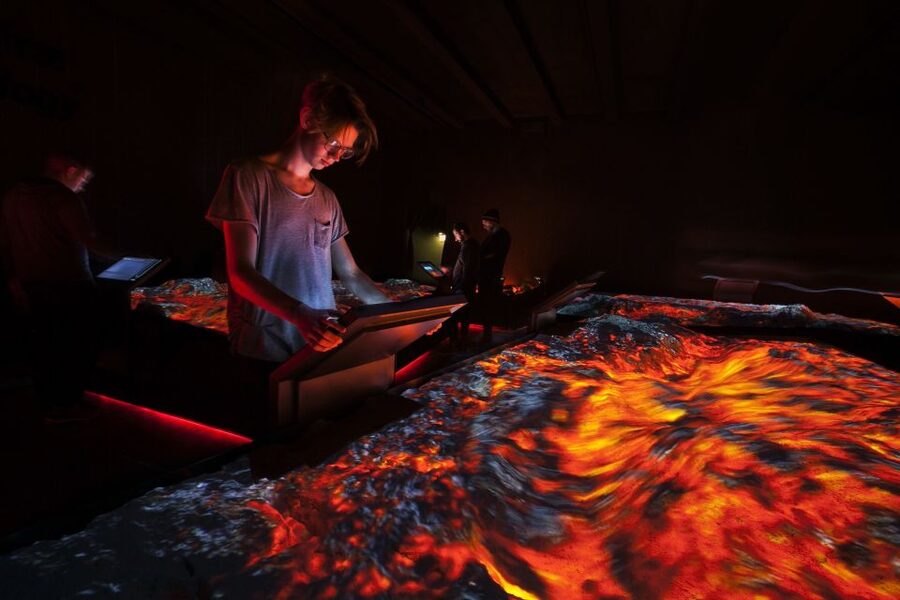
The Fiery Heart of Iceland display explains the normal flow of magma at the boundary where the tectonic plates separate. It also shows how that process interacts with a mantle plume, or hot spot, beneath Iceland. The hot spot is pinpointed in the central highlands.
This is one of the more important parts of the visit because it explains why Iceland has so much volcanic activity in one country. Magma rises from below, enters the crust, and may remain underground or reach the surface during an eruption. Once the molten material is expelled, it is called lava. Airborne volcanic material is called tephra.
That distinction becomes useful when you later see black beaches, lava fields, or photographs of ash clouds. Lava forms flows and hardens into new rock. Tephra can be thrown into the air and spread over wide areas, especially when magma meets water or ice, or when the magma is thick and full of gas.
I like that the center connects scientific terms to recognizable Icelandic scenery. You do not leave with a list of vocabulary alone. You leave with a clearer idea of why a glacier-covered volcano can produce such a different eruption from a dry cone or a fissure in the ground.
Explore the Magma Learning Center
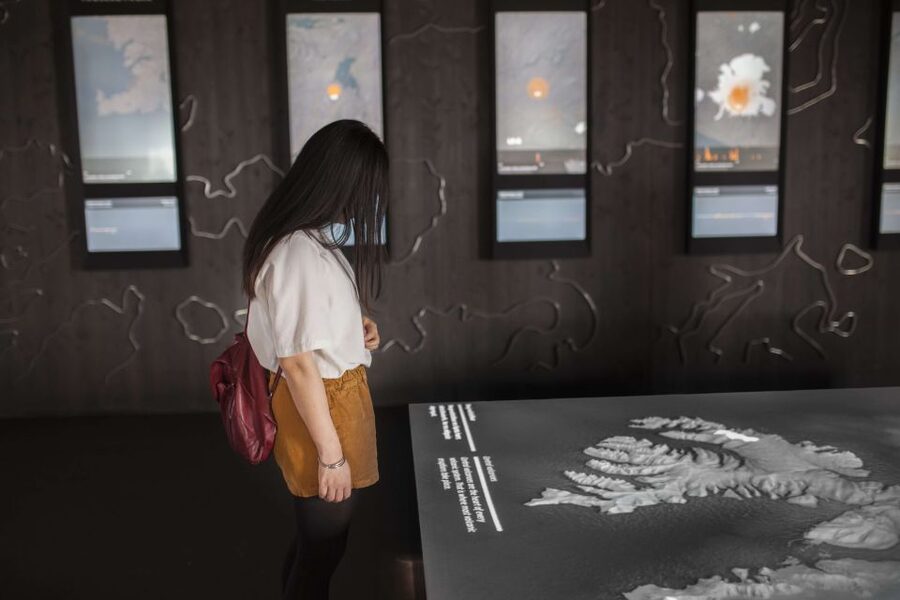
The Magma Learning Center looks at Iceland’s volcanic structures. This is where you can see that volcanoes are not all the same shape, size, or type. Some build cones. Others create broad fields, fissures, or complex systems beneath glaciers and older rock.
The displays help explain how the material and conditions of an eruption affect the final form. Water, ice, gas, and the thickness of the magma all matter. When magma meets water or ice, the eruption can break material into pieces and send tephra over a wide area.
This section rewards a slower visit. If you hurry from one screen to the next, you may catch the broad message but miss the useful connections between cause and result. I would spend extra time here if you already enjoy geology, or if you are planning to visit several volcanic sites around Iceland.
The interactive design also makes it easier for different ages to visit together. Adults can follow the geological explanation while children move through the visual and hands-on elements. The displays are not just decoration. They give you a framework for understanding the sights you will see outside.
More screen tours worth booking around the world:
- From London: Harry Potter Warner Bros Studio Tour
★ 4.7 · 26,588 reviews - Magical London: Harry Potter Guided Walking Tour
★ 4.7 · 22,044 reviews - London: Warner Bros. Studio Harry Potter Tour & Branded Bus
★ 4.7 · 19,194 reviews - Edinburgh: Harry Potter Magical Guided Walking Tour
★ 4.8 · 11,944 reviews
Watch the newest eruption footage in the cinema
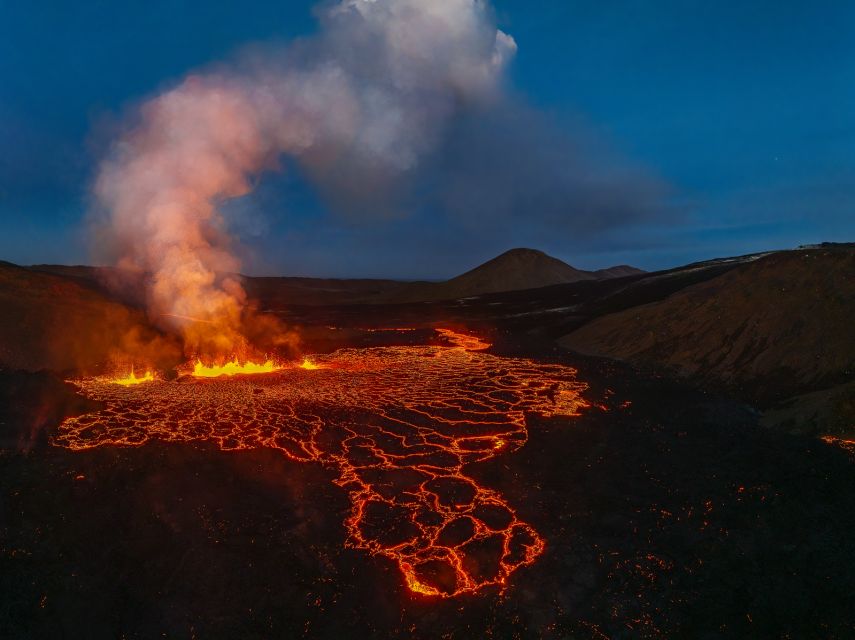
The cinema is the emotional center of the visit. It shows recent eruptions in the Grindavík and Blue Lagoon area, bringing the force of an eruption into a controlled setting. You see the movement of lava, the scale of the event, and the effect volcanic activity can have on places that are otherwise associated with swimming, roads, and ordinary daily life.
This part is particularly valuable if your Iceland trip does not include an active eruption site. Eruptions are unpredictable, and you should never count on seeing one in person. The film gives you a safe way to see the event while also placing it in the wider story of Iceland’s volcanic systems.
The cinema may be the strongest reason to visit for some people. The interactive displays explain the process, but film gives you motion and scale. You can see how quickly an eruption changes the ground and why lava, ash, and volcanic gases require serious caution.
The film is not a replacement for outdoor views. It is better understood as a companion to them. Afterward, step outside and compare the real mountains with what you have just watched. That contrast is one of the more satisfying parts of the experience.
Use the observation deck for the real volcanoes
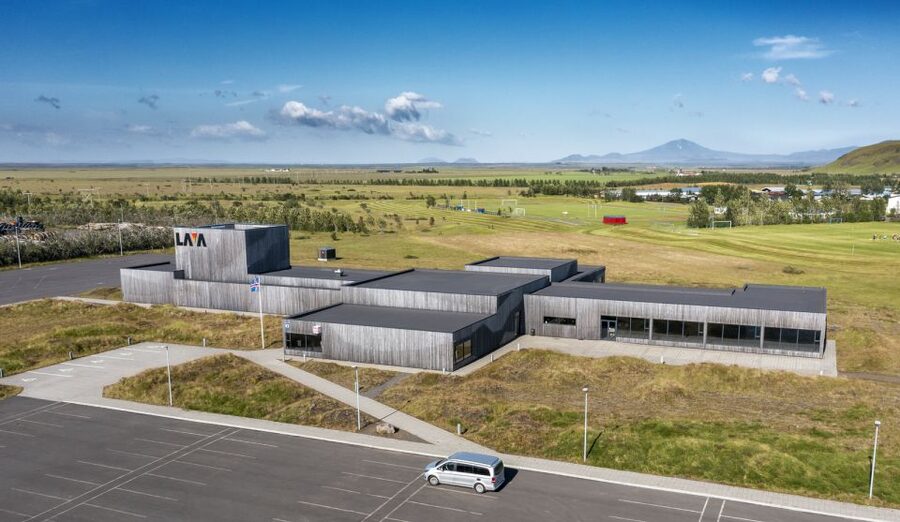
The Local Volcano section and observation deck provide views of four large, active but dormant volcanoes and a group of volcanic islands. The named volcanoes include Eyjafjallajökull, Katla, and Hekla. Two of the volcanoes in view are among Iceland’s most active and productive.
The word dormant matters here. These are not necessarily erupting during your visit, but they remain part of Iceland’s active volcanic story. The view helps you understand the geography in a way that a screen cannot. You can see the broad setting and the relationship between the volcanoes, the lowlands, and the coast.
Weather will affect this part of the visit. The information provided does not promise clear visibility, so you should treat the deck as an opportunity rather than a guarantee. Even with limited views, the exhibition remains worthwhile, but a clear day adds a lot to the experience.
Bring time to look carefully rather than expecting a long scenic stop. The deck is a useful pause after the indoor displays. It lets you place the names and diagrams in the actual terrain around you.
How long should you allow?
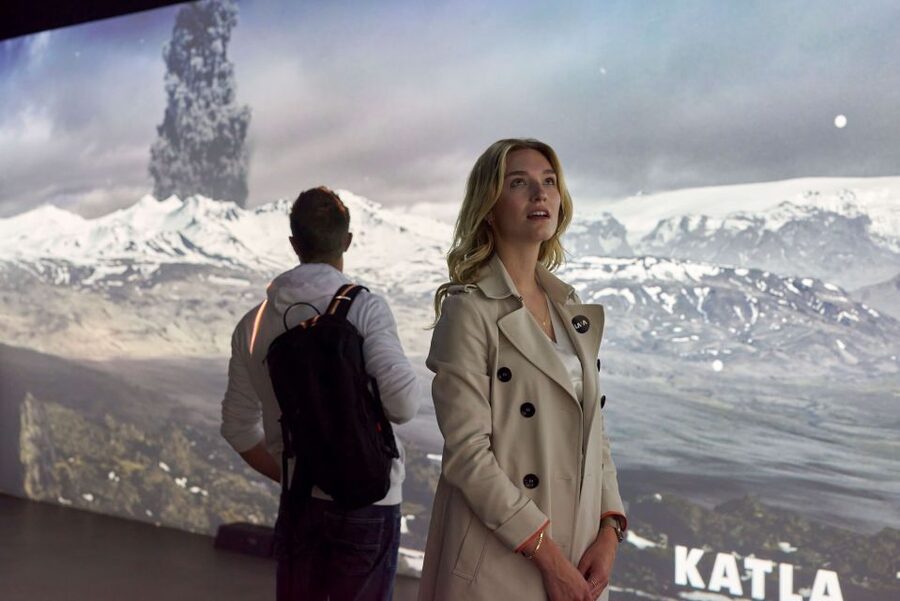
The admission is valid for one day, and you can check available starting times when booking. The experience does not need to be treated as an all-day attraction, however. A focused visit may take about an hour, especially if you watch the film, try the earthquake simulator, and move through the main interactive stations.
You might spend longer if you read every display, visit with children, or want to wait for clear views from the observation deck. The one-day validity gives you flexibility, but it does not mean you need to build a full day around the center.
I would plan it as a one to two-hour stop on a south coast outing. That leaves room for the cinema, the main exhibits, and the outdoor platform without making the visit feel rushed. If you are deeply interested in geology, allow more time.
Because food and drinks are not included, plan refreshments separately. The center works best as one stop among several, not as a place where you expect to spend the whole day eating and sightseeing.
Is $42 a fair price?
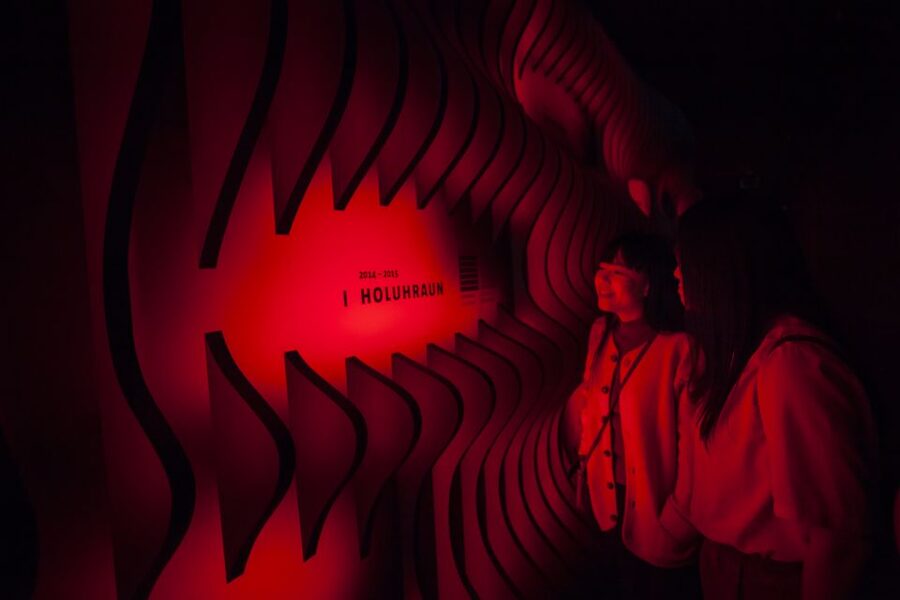
At $42 per person, Lava Centre is not a bargain attraction, but it offers more than a simple museum entry. The admission includes the full exhibition, cinema, and observation deck. You are paying for several different ways to experience Iceland’s geology: interactive explanations, physical effects, eruption film, live earthquake information, and real volcano views.
The value is strongest if you are visiting with children, have a weather-limited day, or want a clearer understanding of the south coast before seeing more natural sites. It is also useful if you have no chance of seeing an eruption during your trip.
The value is less obvious if you only want outdoor scenery or already have a strong background in geology. The observation platform alone would not justify the price for me. The cinema and interactive displays are what make the ticket worthwhile.
A short stay does not automatically make the price poor. Many museums are best judged by what they add to the rest of your trip. Here, the center can make black beaches, volcanic ridges, and glacier-covered peaks more meaningful when you see them later.
Who will get the most from this visit?
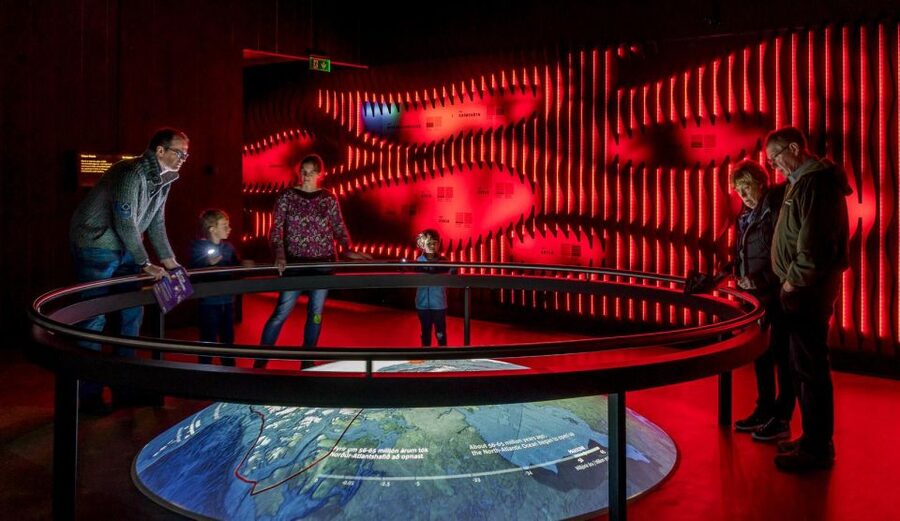
I would recommend Lava Centre to families, first-time visitors to Iceland, and anyone who wants a clear explanation of the country’s volcanic setting. The earthquake simulator and interactive stations help keep younger visitors interested, while the magma and tephra displays give adults plenty to think about.
It also suits anyone planning a south coast drive. The center is surrounded by volcanoes, and the observation deck gives you a direct connection to the mountains discussed indoors. If weather blocks the views, the film and exhibits still carry the visit.
People with limited mobility can use the wheelchair-accessible facilities. Wheelchairs are included, and the attraction is specifically described as accessible. English and Icelandic are available, with hosts or greeters in both languages.
This may be less appealing if you want a quiet art museum or a long guided walk. The experience uses sound, film, movement, and interactive stations. It is designed to explain natural forces, not provide a silent scenic overlook.
Practical details that affect your visit
The experience is offered in English and Icelandic. No individual guide names are provided, so you should expect an exhibition visit supported by hosts or greeters rather than a named private guide leading you from room to room.
Ear muffs are available for children, and flashlights and support teddy bears are provided for the youngest visitors. Those small touches matter if you are visiting as a family, especially since the earthquake and eruption sections use effects that may be intense for some children.
You can cancel up to 24 hours in advance for a full refund, and the reserve-now, pay-later option lets you keep your plans flexible. That is useful in Iceland, where road conditions, weather, and changing outdoor plans can affect your day.
Should you book Lava Centre?
Book it if you want more than photographs of volcanoes. The best parts are the clear explanation of magma and tectonic movement, the live earthquake map, the earthquake simulator, and the cinema footage of eruptions near Grindavík and the Blue Lagoon.
I would also book it if you are traveling with children or if the weather looks poor for outdoor sightseeing. The observation deck is a bonus, not the main reason to go. At $42, the ticket makes sense when you use the indoor exhibits and cinema as well as the views.
Skip it if your Iceland itinerary is already packed with geology museums and you only have time for a quick scenic stop. For most south coast visitors, though, Lava Centre gives the volcanic sights a useful explanation and helps you see Iceland as a country that is still being formed.
FAQ
Where is Lava Centre located?
Lava Centre is in southern Iceland, in the Southern Region, surrounded by views of major volcanoes.
What does admission include?
Admission includes the Lava Centre exhibition, cinema, and observation deck.
How much does the experience cost?
The listed price is $42 per person.
How long is admission valid?
Admission is valid for one day. Available starting times can be checked when booking.
How long should I plan to spend there?
A focused visit may take about an hour, while visitors who read the displays carefully or spend more time at the observation deck may stay longer.
Which volcanoes can I see from Lava Centre?
The views include Eyjafjallajökull, Katla, Hekla, and a group of volcanic islands. Four large, active but dormant volcanoes are visible from the Local Volcano section or observation deck.
Does the cinema show recent eruptions?
Yes. The cinema covers recent eruptions in the Grindavík and Blue Lagoon area.
Can I experience an earthquake?
Yes. The Trembling Earth section includes an earthquake simulator, and you can also see live earthquakes on a map.
Is Lava Centre wheelchair accessible?
Yes. The attraction is wheelchair accessible, and wheelchairs are included.
Are food and drinks included?
No. Food and drinks are not included in the admission.
What languages are available?
The experience is available in English and Icelandic, and hosts or greeters speak those languages.
Can I cancel my booking?
You can cancel up to 24 hours in advance for a full refund. You can also reserve now and pay later.
Newly added screen tours around the world
- York: Game of Thrones Walking Tour★ 5.0 · 2 reviews
- Skopelos Island: Mamma Mia Filming Locations Tour★ 4.9 · 32 reviews
- Zion: Harry Potter-Inspired Zion Ghost Tour with Sunset View★ 5.0 · 8 reviews
- Wellington: Lord of the Rings Half-Day Guided Tour inc Weta★ 5.0 · 5 reviews
- Volcano Movie – Experience the Latest Eruptions in Iceland★ 3.6 · 3 reviews
- Wellington: Half-Day Lord of the Rings Locations Tour★ 4.8 · 10 reviews
- Virtual reality movie – experience I AM LITHUANIA★ 4.4 · 5 reviews
- Wellington: Lord of the Rings Filming Locations Tour★ 4.0 · 6 reviews
Iceland Film Location Tours: how the tours compare.
The Story of Fire Saga Eurovision: Netflix Húsavík Walking Tour
Read our review →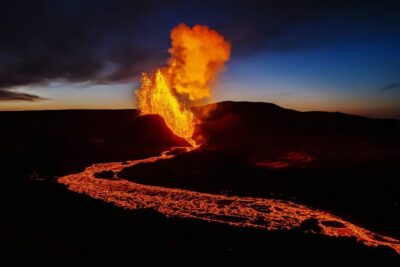
Volcano Movie – Experience the Latest Eruptions in Iceland
Read our review →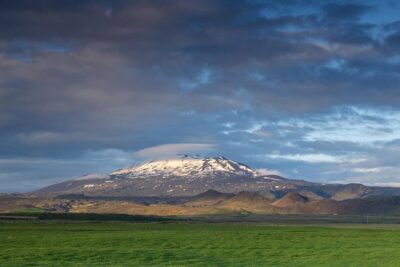
Find this tour on these lists