Review · LOS ANGELES
Historic Hollywood Boulevard and Movie Palaces Walking Tour
Hollywood’s movie history feels most real when you are standing in front of the theaters where it happened. This 2.5-hour walking tour links the Hollywood Sign views, Walk of Fame, Egyptian Theatre, Dolby Theatre, TCL Chinese Theatre, and Roosevelt Hotel into one clear story about how this stretch of boulevard grew into a film capital.
I like two things here. First, the tour puts the famous sights into context instead of treating them as a string of photo stops. Second, the guides bring useful personal insight: Mark works in the film industry, while Eloi is praised for humor and strong historical storytelling. The main drawback is simple: you will walk a lot, and Hollywood Boulevard can feel crowded and gritty rather than polished.
Key points before you book
- The tour lasts 150 minutes, long enough to cover several major sights without taking up your whole day.
- The route includes three major movie palaces, the Egyptian Theatre, Dolby Theatre, and TCL Chinese Theatre.
- The Walk of Fame gets real context, including its 1960 origins and unusual stars such as Mickey Mouse and Godzilla.
- You hear stories about Musso & Frank Grill, Hollywood’s oldest restaurant and a longtime meeting place for film figures.
- The tour ends at the Hollywood Roosevelt, site of the first Academy Awards ceremony.
- English and French tours are available, with a private group option if you want a more personal outing.
Why this Hollywood walking tour works
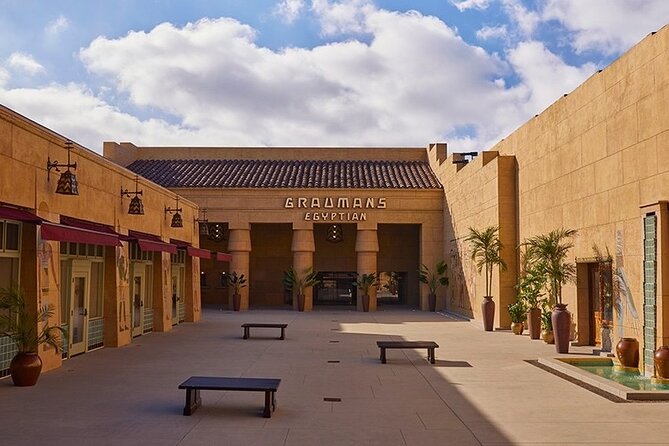
Hollywood Boulevard is easy to visit on your own, but it is not always easy to understand. You can photograph hundreds of sidewalk stars, pass several grand theaters, and still miss the story connecting them.
This tour gives you that missing thread. You learn how Hollywood Boulevard changed from a quieter street into a theater district, how grand movie palaces competed for attention, and how the film business shaped the neighborhood.
The route is also compact. You are not being driven from one scattered attraction to another. You walk between stops, which lets you notice the buildings, signs, sidewalks, and changing feel of the boulevard along the way.
At $35 per person, I consider this a fair price for visitors who want an organized introduction to Hollywood. The value comes from the guide’s interpretation. If you only want quick photographs, you can see many of these places without paying. If you want the stories behind them, two and a half hours with a local guide makes more sense.
More Film Location Walking Tours in Los Angeles
- Haunted Hollywood Walking Tour: True Crime and Creepy Tales
★ 5.0 · 299 reviews - Hollywood: Haunted Walking Tour, True Crime, Creepy Tales
★ 4.6 · 70 reviews - Hollywood: the Real Walking Tour
★ 5.0 · 26 reviews
Meeting at Hollywood and Highland
The tour begins in front of the elevator at the entrance to the Hollywood and Highland Metro station, at 6815 Hollywood Boulevard. This is a practical meeting point because it puts you close to several major sights from the start.
Arrive 15 minutes early. Hollywood Boulevard is busy, and finding the right entrance can take longer than expected if you are looking at signs, stars, and street performers instead of watching the clock.
The first walk takes you toward Ovation, Hollywood. From this area, you get panoramic views toward the Hollywood Sign. The sign began in 1923 as Hollywoodland, a promotional marker for a housing development. The final four letters disappeared later, leaving the shorter name that became famous around the world.
The guide also explains how the sign nearly vanished and was later protected and restored with help from public figures including Alice Cooper and Hugh Hefner. That detail gives the landmark a useful human story. It was not simply placed on the hill and left untouched forever.
The sign itself is distant, so do not expect a close-up visit. The appeal is the view and the backstory. Bring a camera, but also listen for the explanation of how a temporary advertisement became one of America’s most recognizable symbols.
Following the stars along Hollywood Boulevard
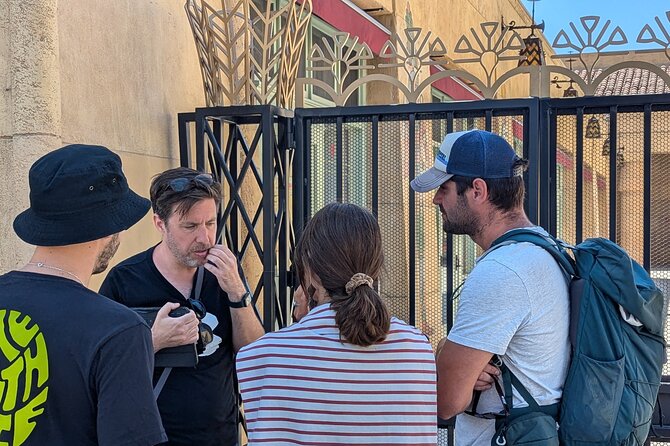
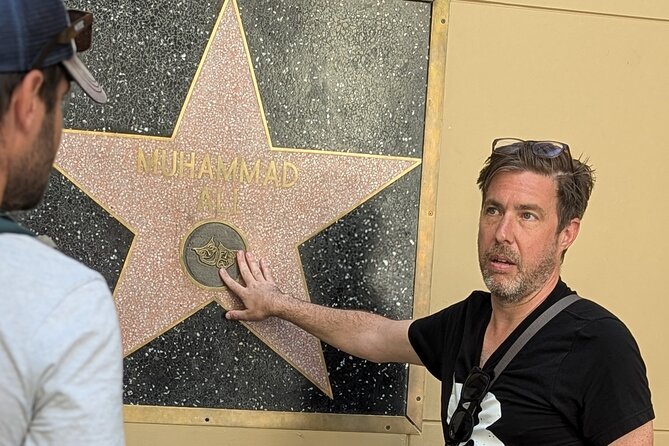
The Walk of Fame is one of Hollywood’s most familiar sights, but it can be confusing without a guide. Stars stretch along the sidewalks, and the names include actors, musicians, radio personalities, fictional characters, and other entertainment figures.
The walkway began in 1960 and now includes about 2,700 stars. A guide helps you read the symbols and understand why the list extends well beyond movie actors.
You may see stars for Mickey Mouse and Godzilla alongside famous performers. That mix is part of the fun. The Walk of Fame reflects the broad entertainment business, not just the film industry.
I like this part because it encourages you to look down and around at the same time. The sidewalk offers the famous names, while the buildings above it reveal the boulevard’s changing fortunes. You hear about the period when Hollywood was a major theater district, later decline, and efforts to restore its appeal.
Keep your expectations sensible. The Walk of Fame is not a quiet museum. It is a public sidewalk with crowds, traffic, and plenty of activity. The guide’s stories help turn that noisy setting into a more meaningful stop.
The Egyptian Theatre and Hollywood’s first red carpet
The Grauman’s Egyptian Theatre is one of the tour’s most important architectural stops. It opened in 1922 and became associated with early Hollywood spectacle, including the first major red carpet event.
The theater’s design was meant to make moviegoing feel like an event. Its Egyptian theme helped sell the idea that a night at the cinema could be as grand as a premiere.
The tour includes about 20 minutes of sightseeing here. That is enough time to appreciate the building and hear how theaters helped shape Hollywood Boulevard. You should not expect a full screening or a long interior visit unless the day’s arrangements specifically provide one. The focus is on the theater’s place in Hollywood history.
This stop is especially useful for first-time visitors. It shows that early movie palaces were not plain boxes built only for practical reasons. Their exteriors were part of the show, designed to make the audience feel that it had entered another world.
More Film Location Walking Tours in the USA
- Ghosts of Hollywood Night-Time Walking Tour
★ 5.0 · 25 reviews - Los Angeles: Hollywood Walk of Fame Walking Tour
★ 4.4 · 10 reviews - Historic Hollywood Boulevard and Movie Palaces Walking Tour
★ 5.0 · 9 reviews - Hollywood Horrors and Haunts Walking Tour
★ 5.0 · 7 reviews
Dolby Theatre and the modern awards connection
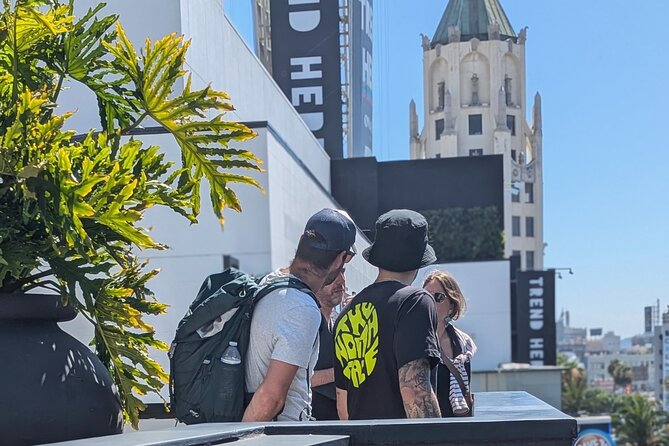
Next comes the Dolby Theatre, a more modern landmark tied to the Academy Awards. The visit lasts about 15 minutes.
This stop helps connect old Hollywood with the entertainment industry you know today. The Egyptian Theatre represents the early era of grand premieres, while the Dolby Theatre represents the continuing importance of awards, red carpets, and televised celebrity events.
The guide can help you understand how the boulevard’s movie palaces served different roles across time. Some were built to attract the first wave of film audiences. Others became symbols of the awards culture that still draws international attention.
You should see this as a guided visit rather than a full backstage tour. The schedule allows a short look and explanation, not an extended exploration of every part of the building.
TCL Chinese Theatre and the famous cement courtyard
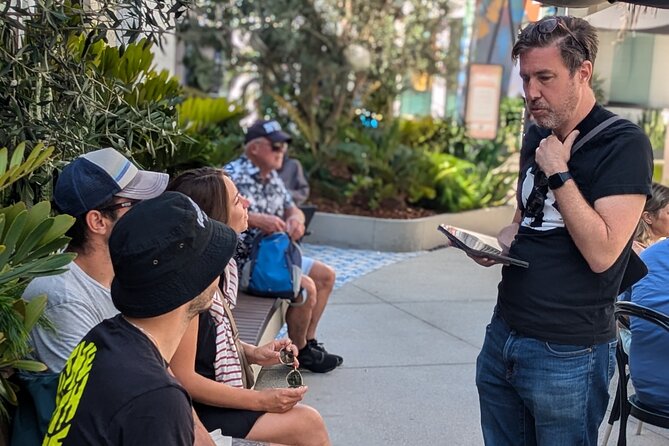
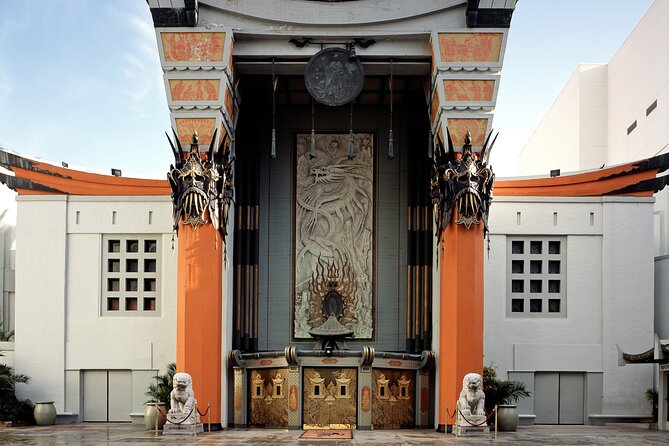
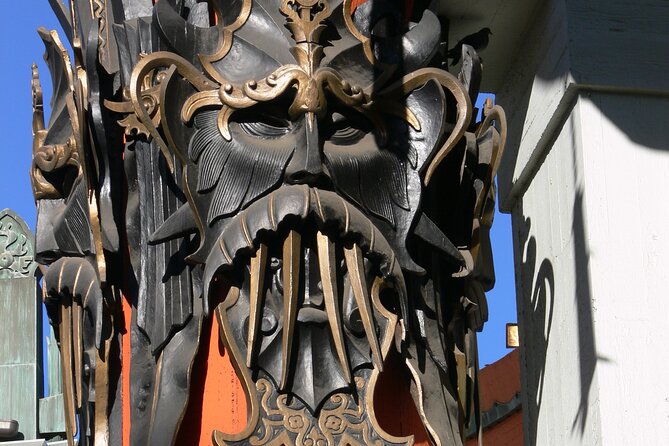
The TCL Chinese Theatre is likely the tour’s biggest crowd-pleaser. This movie palace opened in 1927 and became famous for celebrity handprints and footprints set in cement.
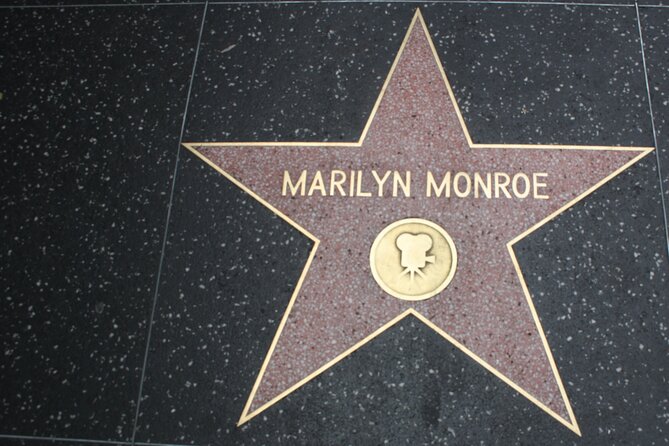
The courtyard gives you a direct link to stars who visited for special ceremonies. You can see marks associated with figures including Marilyn Monroe and Harrison Ford, along with the unusual contribution of R2-D2.
That variety captures Hollywood’s sense of spectacle. The cement is not just a display of famous names. It is a record of how celebrity culture expanded from human stars to beloved fictional characters and film creations.
The guide helps you understand why the tradition mattered. A premiere could become a public ritual, and the theater could turn a star’s visit into a permanent piece of Hollywood.
The stop includes about 15 minutes of guided touring. It is enough to point out important marks and explain the theater’s role, but you should allow extra personal time later if you want to inspect every name in detail.
Musso & Frank Grill and the old Hollywood table
Musso & Frank Grill adds a different kind of Hollywood history. Instead of a theater or public sidewalk, this is a restaurant associated with working film professionals and famous stars.
It is known as Hollywood’s oldest restaurant and was frequented by figures including Charlie Chaplin, Humphrey Bogart, and Marilyn Monroe. The guide also tells the story of fettuccine Alfredo reaching the United States through Mary Pickford and Douglas Fairbanks, Hollywood royalty who brought it back from Europe.
The restaurant stop is important because it shows where Hollywood’s business and social life happened away from premieres. Film history was built not only on sets and stages, but also around meals, meetings, and long conversations.
The tour does not include a meal, so think of this as a narrated exterior or sightseeing stop rather than a dining experience. If the restaurant appeals to you, you could plan a separate visit. The tour gives you the background first, which may make a later meal feel more meaningful.
The Hollywood Roosevelt and the first Academy Awards
The final major stop is the Hollywood Roosevelt, a Spanish Colonial Revival hotel with a strong connection to the first Academy Awards ceremony.
This is a fitting place to finish. You have moved from the boulevard’s public stars and theaters to a hotel linked to the industry’s most famous awards tradition. The building’s interiors also recall the old studio era, including its association with Marilyn Monroe.
The visit lasts about 10 minutes and includes a guided look. That short stop is enough to explain why the hotel matters, but it is not a full hotel tour.
I like the ending because it brings several threads together: celebrity, awards, architecture, and the social world of early Hollywood. After this stop, you return to the starting point at 6815 Hollywood Boulevard.
What the guides add
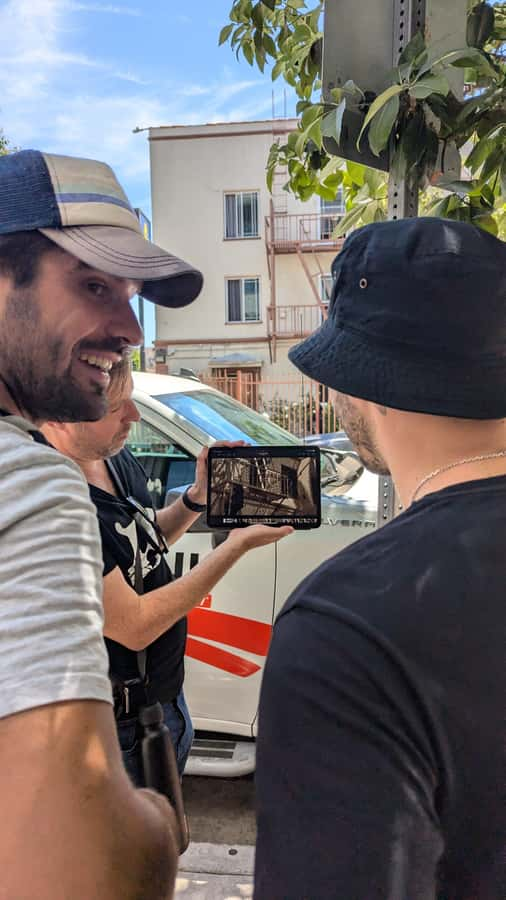
The guide is the main reason to choose this experience instead of walking the boulevard alone. The tour is offered in English and French, and it is designed for a small group. A private group option is also available.
Eloi has been praised for combining humor with historical detail. That matters on a route with many facts, because a string of dates and names can quickly become dry. Mark brings a different advantage: he works in the film industry and can explain extra details about theaters and the practical side of film operations.
Guide availability can change, so you should not assume you will receive one specific person when booking. Still, the experience is clearly built around personal storytelling rather than a recorded audio script.
A small group also gives you a better chance to ask questions. That is useful if you are curious about theater design, movie premieres, awards ceremonies, or the difference between Hollywood myth and daily film work.
Walking demands and timing
Two and a half hours is a good length for this route. It gives the guide time to explain the major stops without turning the outing into an all-day commitment.
You should wear comfortable shoes. The route includes repeated walking between attractions, and the pavement can make tired feet noticeable before the tour ends.
Check the weather before you go and dress accordingly. Much of the experience takes place outdoors, even though several stops involve historic buildings. A camera is worth bringing for the Hollywood Sign views, sidewalk stars, theater fronts, and cement courtyard.
The route may feel more demanding for young children who do not enjoy walking or listening for long stretches. Teenagers and movie fans should have plenty to hold their attention, especially at the Chinese Theatre and Dolby Theatre.
Because this is a scheduled walking tour, arrive early rather than trying to join at the last moment. The guide needs to begin at the stated meeting place, and a late arrival could mean missing the opening explanation.
Is $35 a good value?
At $35, this is not the cheapest way to see Hollywood Boulevard. You can walk the street and photograph the stars without spending anything.
The price becomes easier to justify when you consider the number of connected stops. You receive a guided route covering the Hollywood Sign viewpoint, Walk of Fame, Egyptian Theatre, Dolby Theatre, TCL Chinese Theatre, Musso & Frank Grill, and Hollywood Roosevelt. You also get the stories that explain why those places matter.
I would book it if you have limited time in Los Angeles and want a strong first look at Hollywood. It is also useful at the start of a longer visit because the guide can help you decide which theaters, restaurants, and landmarks deserve a closer look later.
I would skip it if you dislike group walking tours, want long visits inside each theater, or prefer to explore at your own pace. This is a highlights tour with interpretation, not a deep architectural inspection or a full movie-studio tour.
Who should book this experience?
I recommend it most for first-time Hollywood visitors, film fans, and anyone who wants more than a collection of famous photographs. The route gives you a useful sense of how the entertainment district developed.
History-minded visitors should enjoy the links between the 1923 Hollywoodland sign, the early movie palaces, the 1960 Walk of Fame, and the first Academy Awards ceremony.
French-speaking visitors have a useful option, since the tour is offered in French as well as English. A private group may suit families or friends who want more control over the pace and questions.
The tour is less suitable for anyone who needs a mostly seated experience. Comfortable footwear is essential, and the entire outing depends on walking between outdoor and indoor stops.
Should you book the Hollywood Boulevard tour?
Book this tour if you want Hollywood’s famous sights explained in one efficient route. The strongest parts are the movie palace history, the stories attached to the Walk of Fame, and the personal detail guides such as Eloi and Mark can add.
Skip it if you only want quick photographs or expect long interior access at every theater. For $35, you are paying for the guide’s storytelling and the time saved organizing the route, not exclusive entry or a full behind-the-scenes production tour.
For most first visits, I think it is a sensible introduction. Wear good shoes, arrive 15 minutes early, and bring your curiosity along with your camera.
FAQ
How long does the Hollywood walking tour last?
The tour lasts 150 minutes, or two and a half hours.
Where does the tour begin?
The meeting point is in front of the elevator at the entrance to the Metro Station Hollywood/Highland on Hollywood Boulevard, at 6815 Hollywood Boulevard.
Where does the tour end?
The tour returns to the starting point at 6815 Hollywood Boulevard.
What sights are included?
The route includes Ovation, Hollywood, the Hollywood Walk of Fame, Grauman’s Egyptian Theatre, Hollywood Boulevard, Dolby Theatre, TCL Chinese Theatre, Musso & Frank Grill, and the Hollywood Roosevelt.
Is the tour offered in French?
Yes. The available tour languages are English and French.
Can I book a private group?
Yes. A private group option is available.
How much does the tour cost?
The listed price is $35 per person.
What should I bring or wear?
Wear comfortable shoes, check the weather forecast, dress appropriately, and bring a camera. You should arrive 15 minutes before the scheduled start time.
More History Behind the Scenes in Los Angeles
- Hollywood History Tour
★ 5.0 · 8 reviews - Oscar History and Film Set Studio Tour at the Biltmore Hotel
★ 5.0 · 5 reviews - Los Angeles: Hollywood Hills Spiritual and Cultural Tour
★ 5.0 · 2 reviews - Game of Thrones & History of Dubrovnik Tour
★ 5.0 · 628 reviews
More Hollywood and Celebrity Home Tours in Los Angeles
- Full-Day Iconic Sights of LA, Hollywood, Beverly Hills, Beaches and More
★ 5.0 · 6,147 reviews - Warner Bros. Studio Tour Hollywood
★ 4.5 · 5,246 reviews - Hollywood, Beverly Hills & Celebrity Homes Tour by Open Air Bus
★ 5.0 · 2,557 reviews - Full-Day LA Tour: Santa Monica, Hollywood and Beverly Hills
★ 5.0 · 2,431 reviews
Newly added screen tours around Los Angeles
- Universal Studios Hollywood: Halloween Horror Nights★ 4.2 · 98 reviews
- Limo Tour: Hollywood, Beverly Hills, Santa Monica, Venice, Malibu★ 5.0 · 4 reviews
- Greater Los Angeles and Hollywood Private Tour.★ 4.5 · 4 reviews
- Private Tour – Day Hollywood Tour of Los Angeles – 6 Hours.★ 5.0 · 8 reviews
- Private 4-Hour Limo Tour of Los Angeles and Beaches★ 5.0 · 6 reviews
- Hollywood and Beverly Hills Bus Tour★ 5.0 · 2 reviews
- Universal Studios Hollywood & Celebrity Homes Tour Package★ 3.5 · 46 reviews
- LA Walk of Fame 100 Years of Hollywood Tour By Junket★ 5.0 · 3 reviews
Film Location Walking Tours in the USA: how the tours compare.
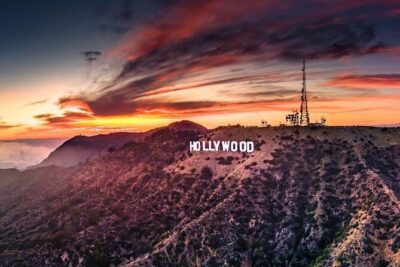
Haunted Hollywood Walking Tour: True Crime and Creepy Tales
Read our review →
Salem, MA: Hocus Pocus Movie Guided Walking Tour
Read our review →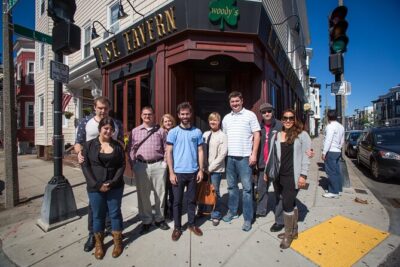
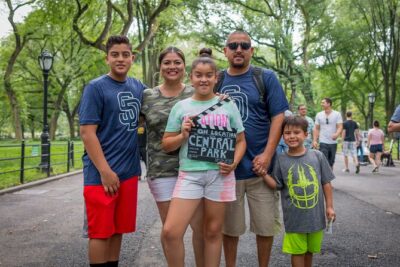
2 Hour Private Central Park TV and Movie Guided Walking Tour
Read our review →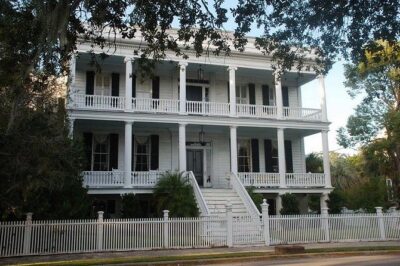
Complete History and Movie Walking Tour of Beaufort
Read our review →