
Review · FRANCE
Arromanches 360 Circular Cinema Entry Ticket
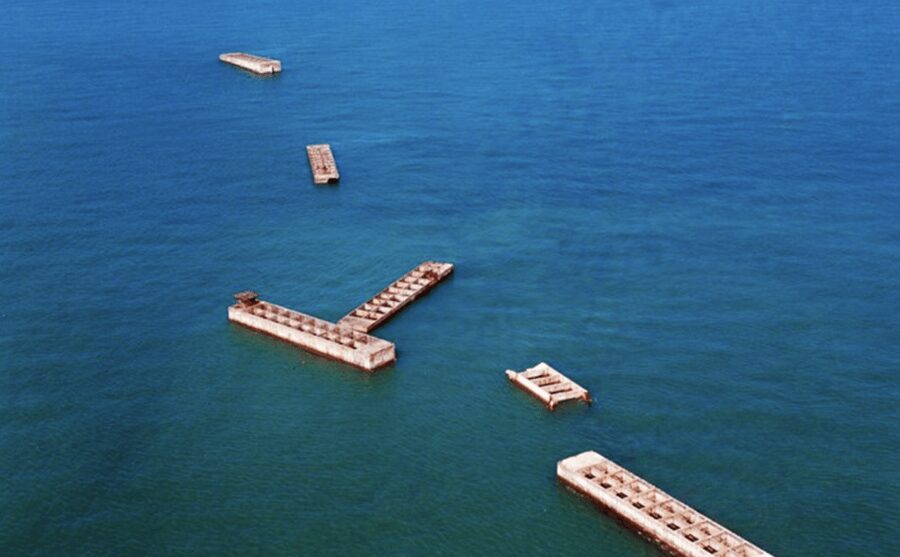
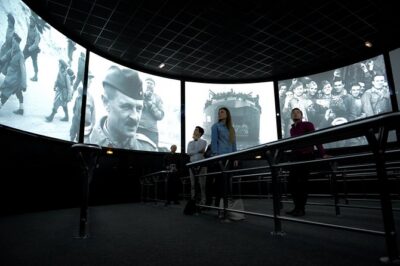
Arromanches 360 turns the D-Day story into a short, forceful film shown across nine screens. The setting matters: from the clifftops, you can look toward the remains of the Mulberry harbor built to support the Allied landings.
I like the low price and the mix of British, American, Canadian, French, and German archive footage. I also like that the reception area gives you maps, artifacts, and a campaign timeline before the film begins. The main drawback is its short running time. At 20 minutes, the presentation can feel compressed, and some viewers may prefer the more detailed displays at the nearby D-Day museum.
Key points to know before you go
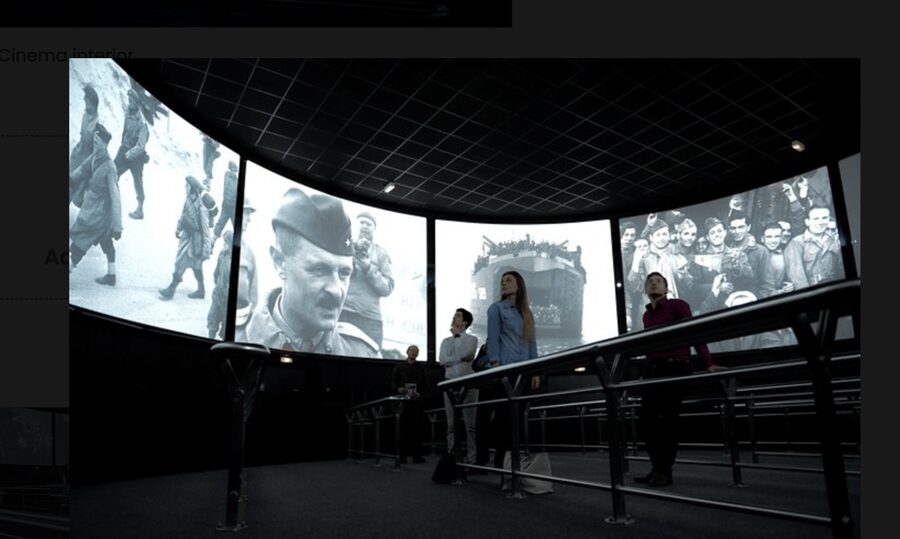
- Nine screens surround the film: The circular format gives the presentation a strong visual punch, though quick cuts may feel confusing to some people.
- The story covers 100 days: The film moves from June 6, 1944, through the Battle of Normandy and the bombing of Le Havre on September 12.
- The clifftop location adds real context: You can see the remains of the Mulberry harbor from outside the cinema.
- The archive footage crosses national lines: British, American, Canadian, French, and German sources create a broader view of the campaign.
- The $8 price suits a short stop: It works well as one part of a day in Arromanches, rather than as a full museum visit.
- Check the access details carefully: The activity is described as wheelchair accessible, yet the same information says it is not suitable for wheelchair users. Confirm before booking.
Starting at the Arromanches clifftops
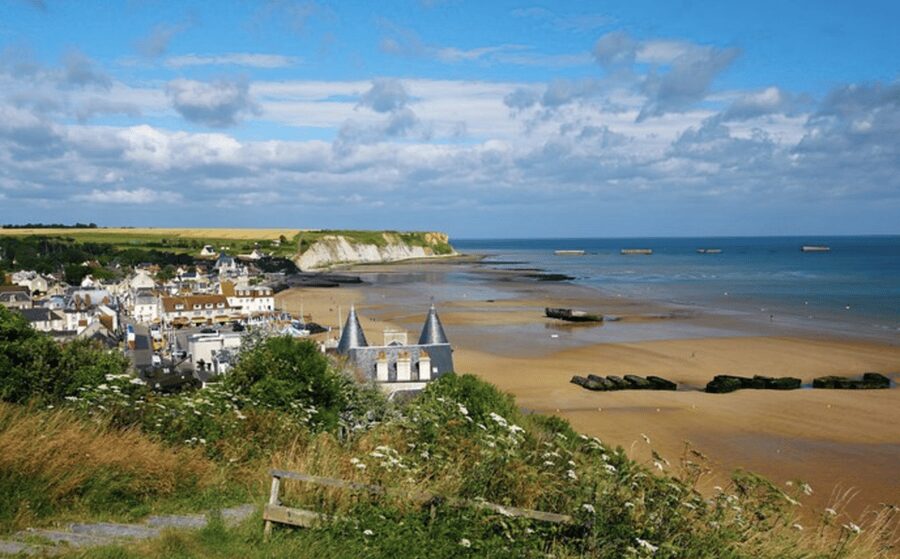
Arromanches 360 sits above the town of Arromanches-les-Bains, one of the key D-Day sites along the Normandy coast. You are not simply entering a cinema in an ordinary town center. The building sits above the water, with the remains of the Mulberry harbor visible from the clifftops.
That location gives the film useful meaning before it even starts. The harbor was part of the Allied effort to keep troops, vehicles, fuel, and supplies moving after the beach landings. Looking out toward the water helps you connect the archive images with the physical setting below.
I would allow time to arrive early enough to look outside. The film lasts only 20 minutes, so the view is an important part of the visit. Bring a camera if you want to record the harbor remains and the broad view from the cliff, but keep your expectations sensible. This is a historic site with a major visual story, not a long guided walk along the coast.
Comfortable shoes are recommended. The activity information also warns that the experience may not suit people with back or heart problems, or people prone to seasickness. That last warning may seem unusual for a cinema, but the circular presentation and moving images can affect some people differently.
More Entry Tickets in France:
- Arromanches 360 Circular Cinema Entrance Ticket
★ 4.0 · 71 reviews - Hobbiton Movie Set: Guided Tour Ticket
★ 4.9 · 8,167 reviews - Budapest: Cinema Mystica Entry Ticket
★ 4.3 · 3,103 reviews
The reception displays before the film
The waiting area gives you a chance to build a basic timeline before entering the theater. Displays cover the preparation for D-Day, the landings, the Battle of Normandy, and the campaign’s outcome.
Maps are especially useful here. The Normandy campaign can be hard to follow if you only see isolated beach names or dates. A map helps show how the landings on the five beaches in the Manche and Calvados departments fit into the wider operation.
You will also find a chronology and artifacts from the collection of the Caen Mémorial. These displays are not a substitute for a full museum, but they give the 20-minute presentation a firmer base. I recommend reading the timeline first, even if you only have a few minutes. It helps you recognize that D-Day was the opening of a long campaign, not the whole battle.
This pre-film area is one of the experience’s quiet strengths. The cinema itself is dramatic, but the maps and objects slow the story down. They remind you that the operation involved planning, transport, equipment, weather, and supply lines, not only soldiers arriving on beaches.
Nine screens and 20 minutes of wartime footage
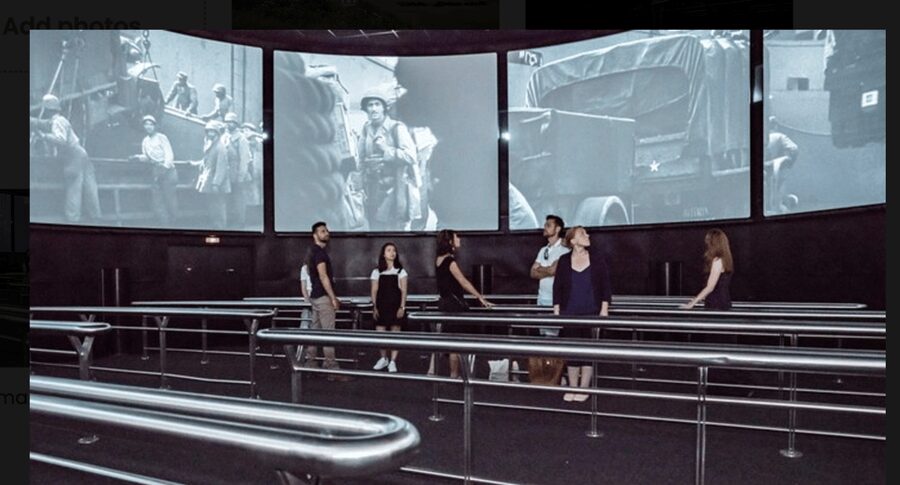
The main film is projected across nine screens arranged in a circle. Instead of watching a single flat image, you sit surrounded by footage from several directions. The format is designed to place you inside the movement of the campaign, using rapid changes of view and archival material to create urgency.
The film covers the 100-day Battle of Normandy. It begins with the long preparation on both sides of the English Channel and moves to the morning of June 6, 1944. From there, it follows the campaign through the fighting after the landings and reaches the bombing of Le Havre on September 12.
That time span is ambitious for 20 minutes. You get a strong outline, but not a detailed explanation of every phase. I would treat the film as an introduction or a visual reminder, not as your only lesson about Normandy.
The nine-screen design will appeal most to people who respond to sound, motion, and large-scale images. It gives the landing story a physical presence that a standard documentary may not match. The tradeoff is clarity. Fast editing across several screens can make the sequence feel crowded, especially if you are hoping for a carefully explained military narrative.
One viewer found the collection of short video segments confusing and too limited, especially compared with the nearby Arromanches landing museum. That is a fair criticism. The format favors emotional force over detail. If you want names, unit movements, equipment explanations, or a long account of the harbor’s construction, plan another museum visit as well.
Archive footage from five national sources
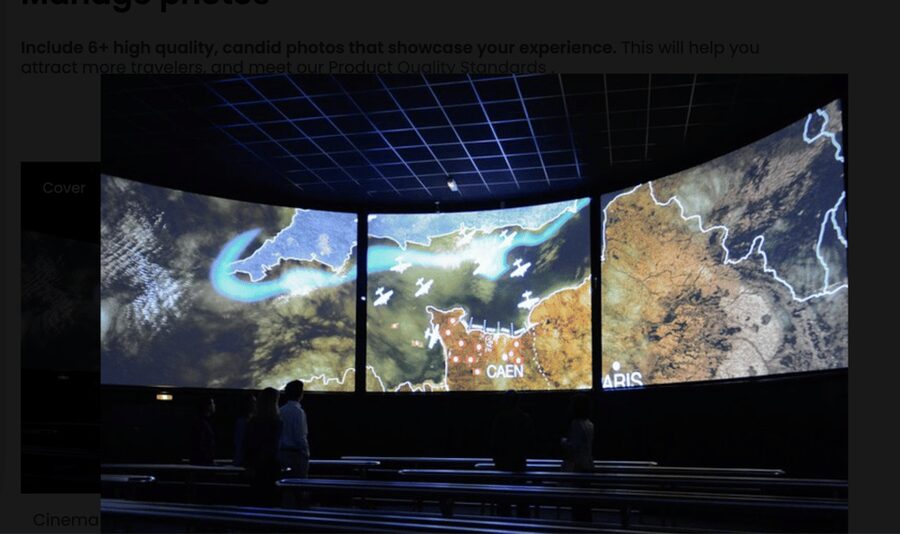
The film draws on British, Canadian, German, American, and French archives. That range matters because the Battle of Normandy was experienced and recorded from different positions.
British and American footage helps explain the Allied preparation and assault. Canadian material gives another view of the campaign, particularly important because Canadian forces played a major role in the Normandy fighting. French images connect the operation to the people and towns caught in the battle. German footage adds the perspective of the defending side.
You should not expect a complete German account or a balanced academic lecture in 20 minutes. Still, the use of several national archives gives the film more breadth than a presentation built around one country’s material alone.
I especially value this when the film moves beyond the first landing scenes. D-Day is often presented as a single morning, but the story here continues across 100 days. That wider frame helps you understand the human and military cost of the fighting that followed the initial assault.
The film is also described as highly emotional, and that is an important expectation to set. It is not a dry slideshow. The presentation aims to make you feel the scale and pressure of the operation. If you prefer quiet museum text and long explanations, you may find it too intense or too brief. If you want a concentrated visual experience before visiting the surrounding sites, it should work better.
More screen tours worth booking around France:
- Behind the Scenes of the Grand Rex: 50-Minute Studio Tour
★ 4.6 · 1,138 reviews - Paris: Emily TV Show Locations Guided Walking Tour
★ 4.6 · 140 reviews - Paris Photo Session: Be the Star of Your Own Movie
★ 5.0 · 87 reviews - Paris: Emily Filming Locations Walking Tour
★ 4.9 · 80 reviews
What the harbor view adds to the visit
The Mulberry harbor remains are the reason I would not treat this as an indoor film alone. After the presentation, go back outside and look toward the water. The concrete remains make the logistics of the invasion easier to picture.
The harbor was not simply background equipment. Allied forces needed a way to bring supplies ashore after the initial landings. Seeing its remains from the cliff gives you a direct reminder that the success of the campaign depended on engineering and supply as much as on the first assault.
The view also gives the visit a sense of place. Archive footage can show beaches, soldiers, ships, and ruined towns, but the harbor remains connect those images to the exact coast where the operation unfolded.
The outdoor viewpoint is not described as a separate guided activity, so plan to explore it independently. The $8 admission covers the 20-minute film, while the view is part of the clifftop setting. I would combine this stop with other Arromanches sights rather than travel here only for a short screening.
Is $8 good value for a 20-minute film?
At $8 per person, the ticket is reasonably priced if you want a brief, visually strong introduction to D-Day. A 20-minute film alone can feel expensive if you expect a full museum visit, but the price becomes easier to justify when you include the pre-film displays and the clifftop view of the harbor remains.
The best value comes from using it as one piece of a Normandy day. Read the maps, see the artifacts, watch the film, then spend time outside looking toward the harbor. That gives you a compact lesson in planning, landing, supply, and the long campaign that followed.
The value is weaker if you have already spent time at the nearby Arromanches landing museum and want new detail. The film may repeat basic information and move too quickly for your needs. In that case, the museum’s objects and explanations may deserve more of your time.
I also would not book it as a full-day activity. The ticket is valid for one day, but the actual cinema presentation lasts only 20 minutes. The validity gives you flexibility around your visit, not a full day of scheduled content.
The strongest reason to choose it is presentation. The strongest reason to skip it is depth. Decide which matters more to you.
Who will enjoy Arromanches 360 most?
I would recommend this experience to you if you want a short historical stop with a strong visual format. It suits first-time Normandy visitors who need an overview before visiting more sites. It can also work well for families or mixed-age groups because the film communicates through images rather than long blocks of text.
You may also appreciate it if you have already studied D-Day and want to see archive footage presented in a different way. The nine-screen setup gives familiar events a more immediate scale.
You may want to skip it if you need a detailed military explanation. The short running time leaves little space for commanders, unit movements, equipment, or a full account of each phase of the campaign.
People with back or heart problems, and people prone to seasickness, should think carefully before booking. The information also gives conflicting guidance about wheelchair use: the activity is marked wheelchair accessible, but the same details say it is not suitable for wheelchair users. Contact the provider before paying if this affects your plans.
There is no named guide attached to this experience. You attend the cinema and view the displays at your own pace. That makes it simple, but you should not expect a personal lecture or a question-and-answer session.
Practical planning for your visit
Set aside more than 20 minutes if you want to make the most of the location. The film itself is short, and you will benefit from extra time for the maps, artifacts, chronology, and outdoor view.
Wear comfortable shoes, especially if you plan to spend time on the clifftops. Bring a camera for the harbor remains and the coastal view. The camera is useful for the site outside, though the main value of the film is the experience of watching it rather than recording it.
The booking terms are flexible: you can cancel up to 24 hours in advance for a full refund, and a reserve-now, pay-later option is available. Check the available starting times before you commit, since the ticket is valid for one day but the screening still depends on availability.
The presentation is offered in a cinema setting, and the supplied information does not identify a choice of spoken languages. If language access matters to you, confirm that detail before booking.
Should you book Arromanches 360?
Book it if you want a short, affordable D-Day introduction with a dramatic nine-screen format and a valuable view of the Mulberry harbor remains. The combination of archive footage, maps, artifacts, and location gives the visit more substance than a film alone.
Skip it if your priority is detailed museum interpretation or a long guided experience. The film is brief, and its rapid presentation may feel confusing or incomplete beside the nearby Arromanches landing museum.
My practical choice would be to add Arromanches 360 to a wider Normandy itinerary, not make it the day’s main attraction. At $8, it is an easy extra for history-minded visitors who want to see the campaign presented with visual force. Just allow time to look outside, read the displays, and remember that the 20-minute film is an introduction to Normandy’s story, not the whole story.
FAQ
How long does the Arromanches 360 film last?
The film lasts 20 minutes. The ticket is valid for one day, allowing you to visit according to the available starting times.
What does the film cover?
It covers the D-Day landings and the 100-day Battle of Normandy, from June 6, 1944, through the bombing of Le Havre on September 12.
How many screens are used?
The film is projected across nine screens arranged around the cinema.
Which archive sources are included?
The presentation uses British, Canadian, German, American, and French archive footage.
Can I see the Mulberry harbor from the site?
Yes. The Arromanches cinema is on the clifftops, where you can see the remains of the Mulberry harbor.
Is the experience wheelchair accessible?
The information describes the activity as wheelchair accessible but also says it is not suitable for wheelchair users. Contact the provider to confirm the current arrangements before booking.
What should I bring?
Bring comfortable shoes and a camera. The site includes clifftop views, and the camera is useful for photographing the harbor remains.
Newly added screen tours around France
- Private Tour with Guide to Midnight in Paris Movie Locations★ 4.5 · 5 reviews
- Feel like a star in Paris with photos and a mini movie!★ 5.0 · 19 reviews
- Paris TV Show Tour in a Open Top Vintage French Car Citroen DS★ 5.0 · 27 reviews
- Da Vinci Code Movie Locations Private Tour in Paris★ 5.0 · 5 reviews
- Private Screen to Streets: A TV Show-inspired Paris Walking Tour★ 5.0 · 60 reviews
- Cinematic Watercolor Workshop and Tea Experience at Boma Café★ 5.0 · 3 reviews
- Arromanches 360 Circular Cinema Entrance Ticket★ 4.0 · 71 reviews
- Paris: Explore the City Like Emily Tour – Filming Locations★ 4.8 · 69 reviews
France Film Location Tours: how the tours compare.

Behind the Scenes of the Grand Rex: 50-Minute Studio Tour
Read our review →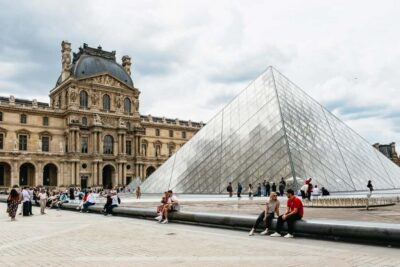
Paris: Emily TV Show Locations Guided Walking Tour
Read our review →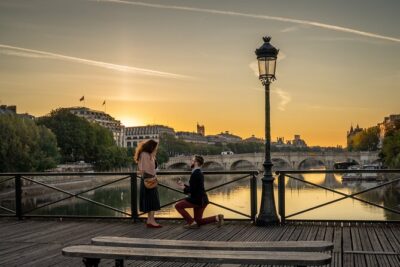
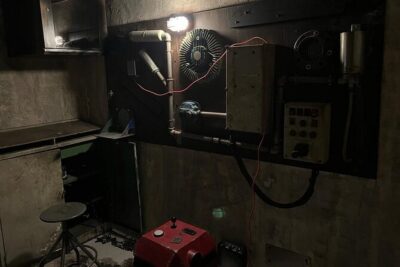
The force to escape – Escape game in Montpellier
Read our review →

Paris: Explore the City Like Emily Tour – Filming Locations
Read our review →
Private Screen to Streets: A TV Show-inspired Paris Walking Tour
Read our review →Find this tour on these lists