
Review · ITALY
Cinematic & Classical Organ Experience in Historic Church
A pipe organ can sound like a whisper, a brass band, or an entire orchestra. This one-hour program places that mighty instrument inside Milan’s historic Church of Sant’Angelo, where the building’s stone and arches become part of the music.
I like the thoughtful comparison between Italian classical music and film scores, and I like the way the organist explains what you are hearing instead of simply playing one piece after another. Maestro De Vita has been praised for a performance that gives digital-era music a living, physical voice.
The main thing to consider is the format. This is a guided musical demonstration, not a long organ recital or a standard sightseeing tour. If you want a full evening concert, one hour may feel brief. If you want an unusual cultural stop at a reasonable price, it makes good sense.
Key points at a glance
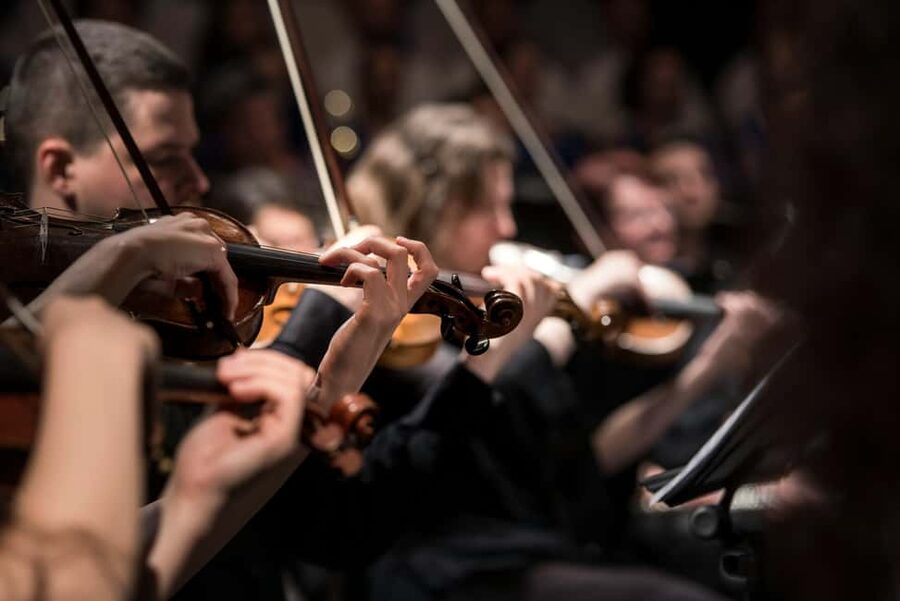
- Hear the organ imitate a full orchestra: The program shows how one instrument can create solemn, dramatic, and cinematic sounds.
- Music ranges from Italian masters to film themes: Expect comparisons involving Ennio Morricone, Interstellar, and Game of Thrones.
- The church is part of the performance: The acoustics, architecture, and spiritual setting shape what you hear.
- Maestro De Vita may lead the music: His performance has received particular praise for its power and sound quality.
- The experience lasts one hour: That makes it easy to add to a day in Milan without giving up a large block of time.
- The cost is $29 per person: For a live performance, historical setting, and musical explanation, the price is fair, especially for music lovers.
Entering Milan’s historic church
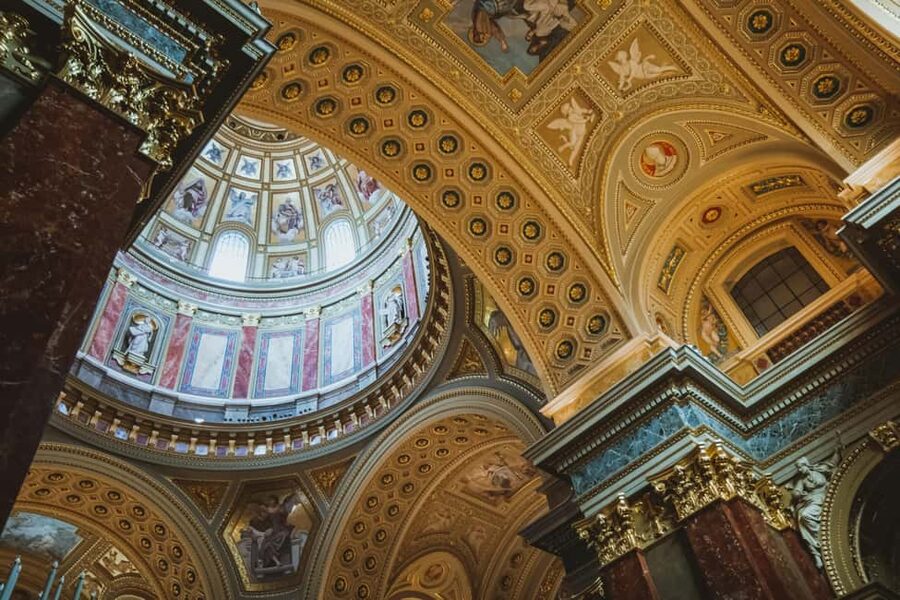
The experience takes place in the Church of Sant’Angelo, a monumental church in Lombardy described as dating to the 16th century. The setting matters. You are not listening to an organ through headphones or hearing a performance in a modern hall designed to control every sound.
You sit inside a working spiritual space, surrounded by architecture built for music and worship. High ceilings and hard stone surfaces allow the notes to travel and linger. A soft organ passage can feel spacious, while a full chord may seem to fill the entire church.
The information also refers to the church as Santa Maria degli Angeli. If you are checking directions before booking, pay attention to the exact name shown on your confirmation so you arrive at the correct entrance.
The church visit is not presented as a separate sightseeing stop with a long architectural lecture. Instead, the building gives the music its setting. You learn why the pieces belong in this kind of space and how the church’s design affects what reaches your ears.
That is useful for visitors who tend to walk into churches, glance at the art, and leave in five minutes. Here, the sound gives you a reason to slow down.
More History Behind the Scenes in Italy:
- From Messina : Savoca and Taormina; history, cinema and dreamlike views
★ 5.0 · 20 reviews - Game of Thrones & History of Dubrovnik Tour
★ 5.0 · 628 reviews - History and Movie Tour of Beaufort by Golf Cart
★ 5.0 · 562 reviews
The pipe organ as a one-instrument orchestra
The central subject is the pipe organ, often called the King of Instruments. That nickname is not just grand church language. An organ can combine many ranks of pipes and imitate the weight, color, and range of an orchestra.
The organist demonstrates this range in a structured way. You hear how the instrument can shift from solemn classical tones to more emotional and dramatic sounds. The goal is not only to present beautiful music. It is to help you notice how the instrument works.
This makes the program a better choice for curious listeners than for people who simply want background music. You are given a way to listen. A low tone may suggest the force of a cello or bass section. Higher sounds can feel lighter and more vocal. Several layers together can create the scale of a full ensemble.
You do not need a musical education to follow the presentation. The program is designed around comparison. Rather than burying you in technical terms, it uses familiar musical moods and well-known screen themes to show what the instrument can do.
The organ’s physical size also adds to the experience. Much of the mechanism is not visible from the seating area, which makes the sound seem to come from the church itself. That distance between the instrument and the listener is part of the drama.
From Italian classical music to cinema
The musical selection moves between Italian classical traditions and modern film music. This is a smart choice because it gives you two listening paths.
The classical selections connect the organ to the church’s age, architecture, and religious setting. Their solemn qualities fit the building naturally. You hear how formal music can make stone, height, and silence feel like active parts of the performance.
The film selections show the organ in a different light. Themes associated with Ennio Morricone, Interstellar, and Game of Thrones bring tension, longing, mystery, and spectacle. These are not random modern additions. They let you recognize how an organ can create the emotional force people often associate with a large film orchestra.
Ennio Morricone is especially fitting for an Italian program because his music is closely tied to Italy’s cinematic identity. The Interstellar theme shows the instrument’s ability to suggest vastness and wonder. Game of Thrones brings a darker, more forceful color.
I like this approach because it gives the program an easy point of entry. You may not recognize every classical composer, but you are likely to understand the emotional shape of a familiar film theme. That recognition helps you hear the organ’s range before moving back to less familiar works.
The exact running order can vary, so you should not treat the named themes as a promise of every piece at every performance. The important feature is the contrast between classical works and cinematic scores.
What the one-hour program feels like
The experience is built as an acoustic journey rather than a simple sequence of songs. You are guided through the instrument’s sound, the church’s role, and the relationship between music and architecture.
A typical flow begins with the setting and an explanation of what makes the pipe organ special. The organist then demonstrates different colors and strengths, followed by musical examples that connect classical Italian traditions with cinema.
The explanation matters. Without it, a visitor may hear a powerful sound but miss how much the organist is doing with registration, volume, and tone. With context, you can notice the change from a quiet passage to a grand, orchestra-like climax.
The program also includes time for reflection. The church is described as one of Milan’s atmospheric spiritual venues, and the music is meant to work on two levels. You learn something about art, architecture, and musical construction, but you also get a quiet hour away from crowded streets and busy sightseeing.
Do not expect a theatrical show with elaborate staging. The attraction is the church, the instrument, and the music. That restraint will suit you if you prefer cultural experiences that feel connected to place.
It may be less satisfying if you want a guided tour of every chapel, painting, and architectural feature. The historical material supports the music rather than replacing it.
More screen tours worth booking around Italy:
- Catania/Taormina: The Godfather Filming Locations Tour
★ 4.9 · 356 reviews - The Godfather Movie Tour
★ 5.0 · 275 reviews - Turin: Cinema Museum and Bus Tour
★ 4.4 · 200 reviews - Turin: National Museum of Cinema & Mole Antonelliana Tour
★ 4.6 · 170 reviews
The sound quality and the church acoustics
The strongest reason to book is the sound. The setting provides natural resonance, and the pipe organ can produce both delicate detail and enormous force.
A performance in a church can also bring a small challenge. Long reverberation may blur very quick musical passages. You may hear the overall mood more clearly than every individual note. That is part of the character of the venue, not a technical failure.
The program’s comparisons help with this. When you hear an organ passage beside a familiar cinematic idea, you have a clear emotional reference. You can follow the shape of the music even when the church’s echo softens small details.
The experience has received a 4.7 rating from 22 reviews. Specific praise centers on the gorgeous venue, impressive organ concert, strong sound quality, and the emotional force of the pipe organ. One visitor from the Netherlands described the performance by Maestro De Vita as an unusual way to hear digital music come alive on a real organ.
That is a useful clue about the program’s appeal. It is not only for people who already attend classical concerts. It also works for anyone interested in how an old instrument can reinterpret modern music.
Who will get the most from it
I would recommend this to several kinds of visitors:
- Music lovers who want to hear an organ in a purpose-built historic setting.
- Film fans who enjoy Morricone and modern cinematic themes.
- Architecture enthusiasts who want to experience how a church’s structure affects sound.
- Culture-focused visitors looking for something beyond Milan’s best-known sights.
- Short-stay visitors who can spare one hour but not an entire afternoon.
- Families with older children or teenagers who may connect more quickly with film music than with a traditional organ recital.
It is also a good choice for people who feel uncertain about classical music. The program uses recognizable cinematic references as a bridge. You do not have to know the names of Italian composers or understand organ construction to appreciate the performance.
I would be more cautious about recommending it to someone who dislikes church settings, organ music, or guided explanations. The program is built around all three.
The experience is wheelchair accessible, which makes it easier for more visitors to consider. The host or greeter can speak English or Italian. That language choice is important because the explanations are part of the value, not an optional extra.
Is $29 a fair price?
At $29 per person, this sits in a reasonable range for a one-hour cultural event in Milan. You are paying for live music, a historic church, an English or Italian presentation, and a performance designed around the acoustics of the venue.
The value depends on what you compare it with. If you only want to enter a church and look around, the price may seem high for an hour. If you want a concert in an atmospheric building plus an explanation of the instrument, it is a sensible purchase.
The setting also keeps the experience from feeling like a generic music event. A performance of the same pieces in a neutral hall would not make the same connection between sound, worship, architecture, and Italian culture.
The one-hour length helps the value. You can fit the program between other Milan plans without committing to an entire evening. It also makes the ticket easier to justify if you are building a varied itinerary with museums, food stops, and neighborhood walks.
The option to reserve now and pay later gives you some planning flexibility. Free cancellation is available up to 24 hours in advance for a full refund. That is helpful in a city where weather, train delays, and changing museum plans can disrupt a tightly packed day.
Practical details before you go
The host or greeter speaks English and Italian. Check the available starting times when you book, since the schedule is not specified in the available information.
The program lasts one hour. Arrive ready to remain inside a historic religious building for the performance and explanation.
Smoking indoors is not allowed. Bikes, alcohol, and drugs are also prohibited. Tight clothing is listed as not allowed, so choose respectful, comfortable clothing with room to sit through the full program.
The experience is described as an intimate performance in a historic church setting. No group size is provided, so you should not assume a private show or a very small audience.
The setting is spiritual as well as cultural. Keep your voice low before and after the music, and treat the church as a place of worship even while attending a public performance.
How it fits into a Milan itinerary
This works best as a focused cultural stop rather than the main event of an entire day. The one-hour format leaves room for other plans, and the change of pace can be welcome after busy sightseeing.
You might choose it when you want something indoors and calm, or when you have already seen major landmarks and are looking for a less routine way to connect with Italian culture. The combination of classical music and film themes also makes it easier to pair with companions who have different interests.
It is not a replacement for Milan’s major art museums, historic sights, or food traditions. Instead, it gives you a different way to understand the city’s religious architecture and musical culture.
The best mindset is to arrive curious. Listen for how the instrument changes character. Notice how the building holds sound. Pay attention to the difference between a solemn classical passage and a cinematic theme designed to create suspense or wonder.
Should you book the organ experience?
Book it if you want a one-hour cultural stop with genuine atmosphere, strong live music, and a clear connection between Italian tradition and modern cinema. The praise for the venue, sound quality, and Maestro De Vita’s performance supports the idea that the music is the main attraction.
Skip it if you are looking for a long concert, a detailed architectural tour, or a large-scale production. This is a compact, guided organ presentation in a church, not a full day of sightseeing.
For $29, I consider it a good-value choice for music lovers, film fans, and anyone who wants to hear Milan from a different angle. The organ does not merely accompany the church. For one hour, it gives the building its voice.
FAQ
Where does the organ experience take place?
It takes place in the historic Church of Sant’Angelo in Lombardy, Italy. The church is also described as Santa Maria degli Angeli in the activity information.
How long does the experience last?
The experience lasts one hour.
How much does it cost?
The listed price is $29 per person.
What music is performed?
The program includes Italian classical music and cinematic themes. The examples named include Ennio Morricone, Interstellar, and Game of Thrones.
Is this a regular organ concert?
It is presented as a guided acoustic journey and musical demonstration rather than a standard concert. The organist explains the instrument, the music, and the connection between the church and the performance.
Who leads the performance?
The experience is performed by professional musicians. Maestro De Vita is specifically associated with the performance.
Are English explanations available?
Yes. The host or greeter can speak English or Italian.
Is the church wheelchair accessible?
Yes. The activity is listed as wheelchair accessible.
Can I cancel for a refund?
Yes. You can cancel up to 24 hours in advance for a full refund.
What items and clothing are not allowed?
Smoking indoors, bikes, alcohol, and drugs are not allowed. Tight clothing is also listed as prohibited.
Newly added screen tours around Italy
- Turin: National Museum of Cinema Entry Ticket & Audio Guide★ 3.6 · 70 reviews
- Turin: Cinema Museum and Mole Antonelliana Elevator Tour★ 4.7 · 22 reviews
- Lido Bike Tour: With a Local on the Island of Cinema★ 5.0 · 12 reviews
- Venice Film Tour: Explore Iconic Movie Locations★ 5.0 · 8 reviews
- Cinematic Photoshoot in Venice: Capture Venice Hidden Gems★ 5.0 · 109 reviews
- Turin, National Cinema museum and Mole with elevator Guided tour★ 4.0 · 8 reviews
- Private Tour for Kids & Families at the Turin Cinema Museum★ 5.0 · 5 reviews
- National Museum of Cinema & Mole Antonelliana Guided Experience★ 4.5 · 12 reviews
Italy Film Location Tours: how the tours compare.
Catania/Taormina: The Godfather Filming Locations Tour
Read our review →
Turin: National Museum of Cinema & Mole Antonelliana Tour
Read our review →
From Catania: The Godfather Movie Day Trip in Sicily
Read our review →
Cinematic Photoshoot in Venice: Capture Venice Hidden Gems
Read our review →
Find this tour on these lists