
Review · GIRONA
Girona: Museum of Cinema Entry Ticket
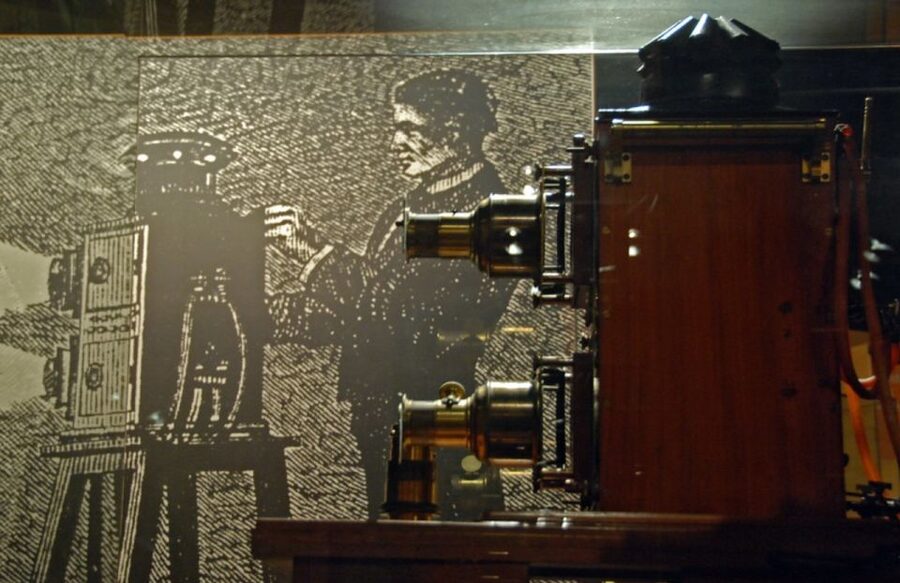
Girona’s Cinema Museum traces the road to modern movies through nearly 8,000 pre-cinema objects. Instead of starting with Hollywood, it begins with the older tricks that made pictures appear to move, then follows the inventions and ideas that led to the cinematograph in 1895. I like that approach because it turns cinema into a story of curiosity, craft, and changing technology.
I also like the Tomàs Mallol Collection, which gives the museum its real character, and the hands-on displays that help children stay interested. The main drawback is that this is a self-guided museum visit, not a guided tour with a live expert. The web audioguide is useful, but one visitor had trouble getting it to work, so bring a little patience and use the printed information if needed.
Key points to know before you go
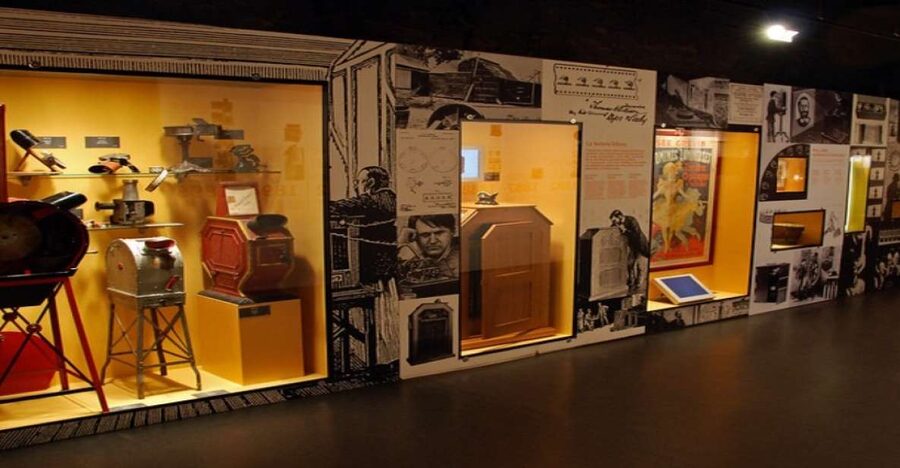
- Nearly 8,000 objects: See the devices and visual toys that came before film.
- 500 years of image-making: Follow the development of moving pictures from early optical inventions to cinema.
- Tomàs Mallol Collection: Explore the personal collection acquired by Girona in 1994.
- Good for families: Interactive areas give children a reason to slow down and look.
- Free web audioguide: Listen in English, French, Catalan, or Spanish through your own device.
- Strong value at $8: One ticket covers the permanent and temporary exhibitions for one day.
Start with the inventions that came before cinema
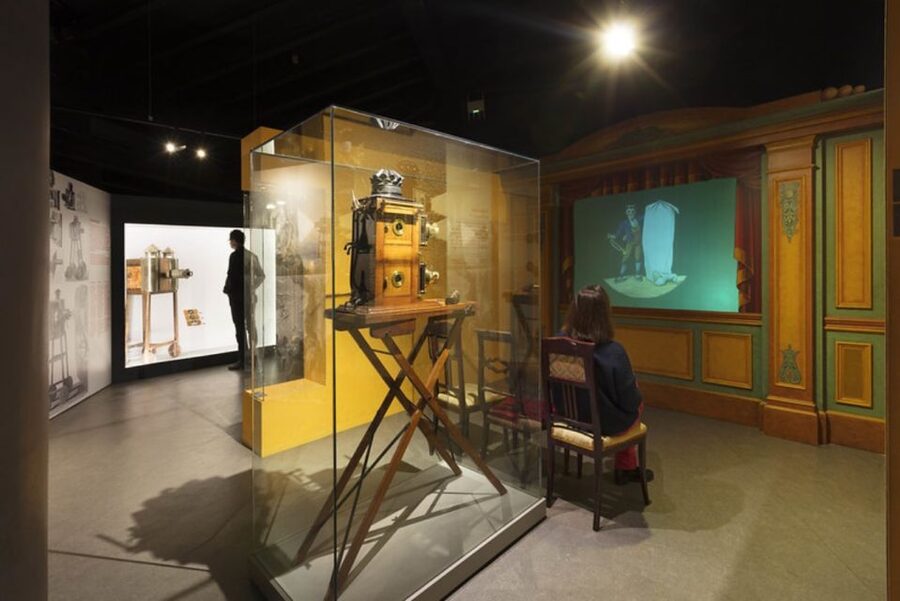
The best way to understand the Cinema Museum is to forget, for a moment, about movie screens. The visit begins with the long period before cinema, when people were already fascinated by light, shadows, pictures, and the illusion of motion.
You will see objects that explain how still images could be displayed, changed, or made to appear alive. The collection covers around 500 years, so the story is much wider than a simple display of old film equipment. It shows that cinema was not created in one sudden flash. It grew from many small experiments and clever solutions.
I find this approach especially useful if you enjoy understanding how things work. A modern film can feel like magic, but the museum lets you see the mechanical steps behind that magic. You can follow the move from static images toward projected scenes and eventually toward cinema as we know it.
The exhibits also help explain the difference between an image and a moving image. That sounds simple, but it is the central idea of the whole visit. By the time you reach the later displays, the arrival of the cinematograph in 1895 feels like the next step in a long chain rather than an isolated invention.
More Film Museums and Exhibitions in Spain:
- Split: Game of Thrones Museum Entrance Ticket
★ 3.8 · 385 reviews - Minoans World 3D Museum & 9D Cinema
★ 4.5 · 315 reviews - Star Wars story Museum Ticket Pass
★ 5.0 · 249 reviews
The Tomàs Mallol Collection gives the museum its focus
The museum’s main collection came from Tomàs Mallol, a collector of cinematographic and pre-cinematographic devices. Girona acquired the collection on January 28, 1994, and it became the foundation of this permanent institution.
That background matters because the museum is not only a general cinema display. It is built around a specific body of objects, with the personality and variety that come from one serious collection. The devices show both the artistic side of visual entertainment and the technical work needed to make it possible.
As you move through the displays, pay attention to the variety of objects rather than rushing toward the familiar film-related pieces. Some items may be completely new to you. A French visitor with an eight-year-old child found the displays especially effective because they introduced objects she had never known existed, while still giving her daughter enough interactive material to enjoy the visit.
This is where the museum works best. It gives you historical context, but it does not treat the objects as untouchable relics. The collection is there to explain a process. You are not simply looking at old machines. You are seeing how people tried to entertain, inform, and astonish one another before modern film became available.
Follow the route from visual trick to moving picture
The exhibition’s central route follows the development of the moving image. The museum explains how visual representations changed over time and how technical advances gradually made projected motion possible.
You might find displays devoted to early image-making devices, optical effects, projection methods, and other stages in the history of cinema. The supplied information does not identify every object by name, so I would not expect a strict equipment-by-equipment checklist. Instead, think of the visit as a connected story about experimentation.
That story is valuable for visitors who want more than a collection of old objects. Each stage answers a basic question: How did people create the image? How did they display it? How did they create the impression of movement? How did those ideas lead to the cinematograph?
The museum’s permanent exhibition also puts cinema into a broader cultural setting. Moving images were not only a technical achievement. They were a form of entertainment and visual art, and they changed how people experienced stories and information.
The presentation is accessible enough for a general audience, but you can spend more time with it if you are interested in design, engineering, photography, or film studies. The visit can be short and casual, or slower and more thoughtful. Since the ticket is valid for one day, you have some flexibility rather than needing to hurry through every display.
Interactive displays make this a family-friendly stop
The museum has activities for adult groups and families, and its interactive features are a major reason to include it in a day in Girona. Children are often more willing to look closely at old devices when they can connect the display to something they can see or try.
I especially like the way the interactive areas support the historical story. They are not just entertainment placed beside the collection. They help you understand the principles behind visual illusion and moving images.
An eight-year-old can enjoy the visit, but this is not only a children’s museum. Adults get the historical and technical explanation, while children get a more direct way to test the ideas. That combination makes it a useful choice for families with different interests.
Still, the museum should not be confused with a large theme park attraction. The experience is built around collections, exhibitions, and interpretation. If your children need constant action, you may want to keep your expectations realistic. The interactive displays are a strong aid, not the whole visit.
More Entry Tickets in Spain:
- Tabernas: MiniHollywood Oasys Entry Ticket & Optional Buffet
★ 4.5 · 268 reviews - English Tour Peñíscola Game of Thrones and Castle Tickets
★ 4.0 · 9 reviews - Peníscola Tour Castle Tickets & Game of Thrones locations
★ 4.1 · 6 reviews - Hobbiton Movie Set: Guided Tour Ticket
★ 4.9 · 8,167 reviews
Use the audioguide, but have a backup plan
Admission includes a free audioguide accessed through the Visitmuseum website. It is available in English, French, Catalan, and Spanish, which makes the collection easier to understand if you do not read Catalan or Spanish with ease.
The audioguide adds information beyond the exhibition panels, so I would try it if your phone and connection cooperate. It can help explain why certain objects matter and give the displays a clearer sequence.
The system is web-based rather than a separate device supplied as part of the ticket. That keeps it convenient, but it also means your own phone is part of the experience. One visitor could not get the audioguide working, so do not count on it as your only source of information.
You will also receive an informative brochure in English, French, Catalan, and Spanish. If the audio system gives you trouble, the brochure and display panels should still let you follow the main story. I would open the audioguide before entering the exhibition area and check that it loads properly. That small step can save time.
The temporary exhibition adds variety to the visit
The $8 ticket includes both the permanent exhibition and the temporary exhibition. The permanent displays provide the main journey through the history of moving images, while the temporary section gives the museum room to explore a more focused subject.
The exact temporary exhibition will change, so I cannot promise a particular theme. That uncertainty is worth keeping in mind if you are deciding how much time to allow. The permanent collection is the reliable reason to visit, while the temporary display can add a fresh angle for repeat visits.
For a first visit, I would start with the permanent exhibition so you understand the museum’s main story. Then look at the temporary display with that background in place. You may find it easier to understand a special subject once you have seen the larger development from early visual devices to cinema.
The museum’s programming is designed for scientific, cultural, and recreational participation. In plain terms, it aims to be more than a storage room for old equipment. Its exhibitions and activities invite you to connect the objects with the wider history of visual entertainment.
A library adds value for film enthusiasts
The museum also has a library with more than 4,000 titles. The supplied information does not specify the exact access rules for the library, so I would not assume that your admission ticket includes research access or borrowing privileges.
Still, its presence tells you something about the institution. The museum is not only aimed at a quick family outing. It also supports study and research into cinema and the history of visual shows.
If you have a serious interest in film, old projection methods, or the development of the moving image, you may want to ask at the museum about the library when you arrive. For most visitors, the collection and exhibitions will be the main reason for coming, but the library gives the institution a useful scholarly side.
The building adds a sense of place
The museum is located in Girona’s former water company headquarters, a late nineteenth-century building known as the House of Waters. That setting gives the visit a clear connection to the city rather than making it feel like an isolated modern attraction.
The building’s earlier use also suits the museum’s subject in an indirect way. Both water systems and cinema depend on practical technology hidden behind everyday life. You do not need to be interested in architecture to appreciate the setting, but it adds character to the visit.
The museum operates as a permanent, non-profit institution open to the public. Its stated purpose is to conserve, research, interpret, and exhibit collections connected with the history of the moving image. That public-service role helps explain the modest ticket price and the focus on education rather than spectacle.
How much time should you allow?
The ticket is valid for one day, but no fixed visit length is provided. Your timing will depend on how closely you read the panels, use the audioguide, explore the interactive displays, and visit the temporary exhibition.
I would allow enough time to move through the permanent collection without treating it as a quick photo stop. The story works best when you follow the development in order. If you rush, you may see the objects but miss the links between them.
Families may need extra time around the interactive areas, while adults interested in film technology may want longer with the collection and audio commentary. The one-day validity gives you flexibility, but it does not mean you need to plan a full day inside the museum.
Because this is an entry ticket rather than a guided excursion, you control the pace. That is helpful if you are fitting the museum between other Girona plans. It also means you need to take responsibility for reading the material and choosing how much detail you want.
Is $8 a fair price?
At $8 per person, the ticket is a good-value cultural stop, especially because it includes the permanent and temporary exhibitions, an informative brochure, and a free audioguide. The nearly 8,000 objects and the broad 500-year story give the museum more substance than its low price might suggest.
There is one important pricing tip. Admission may be free on the first Sunday of the month. Check the museum’s current conditions before booking for that day, since one purchaser paid for tickets on a Sunday that turned out to be a free-admission date.
The value is strongest for people who enjoy museums that explain a subject rather than simply display it. If you only want to see famous movie costumes or modern film memorabilia, this may not match your expectations. If you are curious about how cinema came into being, the price is modest for the amount of material covered.
The booking terms also offer flexibility, with cancellation up to 24 hours in advance for a full refund and an option to reserve now and pay later. These details are useful when your Girona schedule is still changing.
Accessibility and languages
The building is prepared for people with reduced mobility and is wheelchair accessible. That makes it easier to include in a Girona itinerary when someone in your group needs step-free access, though the supplied information does not give further details about individual rooms or facilities.
Printed information is available in English, French, Catalan, and Spanish. The audioguide uses the same range of languages, giving you two ways to follow the visit.
This is a practical advantage for international visitors. You can choose the language that lets you understand the technical story without turning the visit into a struggle with unfamiliar terms.
Who will enjoy the Cinema Museum most?
I would recommend this museum to several kinds of visitors:
- Families with school-age children: The interactive areas give younger visitors a reason to engage with the collection.
- Film fans: The museum explains the machinery and ideas behind cinema, not only the finished movies.
- Curious adults: The progression from early visual devices to the cinematograph is clear and rewarding.
- Visitors seeking a shorter cultural stop: You can set your own pace and fit the museum around other plans in Girona.
- Researchers and serious enthusiasts: The library with more than 4,000 titles may be worth asking about.
I would be less likely to recommend it to someone looking for a live guided experience. There is no guide name or scheduled tour information provided, and the ticket is for independent entry. The web audioguide fills some of that gap, but it is not the same as asking questions of a person in the room.
Should you book Girona’s Cinema Museum?
Book it if you want a clear, hands-on explanation of how cinema developed from earlier forms of visual entertainment. The $8 price, family activities, multilingual information, accessible building, and wide collection make it an easy addition to a Girona visit.
Before paying, check if your date falls on the first Sunday of the month, when admission may be free. And if you plan to use the audioguide, have your phone ready and keep the brochure as a backup.
Skip it only if you want a museum focused on famous films, actors, or modern movie production. For everyone else, this is a thoughtful and reasonably priced look at the ideas and machines that made moving pictures possible.
FAQ
Where is the Cinema Museum located?
It is in Girona, Catalonia, Spain, in the city’s former water company headquarters, a late nineteenth-century building known as the House of Waters.
What does the ticket include?
The ticket includes entry to the permanent and temporary exhibitions, an informative brochure, and access to a free web audioguide.
How much does admission cost?
The listed price is $8 per person.
How long is the ticket valid?
The ticket is valid for one day.
What languages are available?
The brochure and audioguide are available in English, French, Catalan, and Spanish.
Is the museum suitable for children?
Yes. Activities are available for families, and the museum has interactive areas designed to make the visit engaging for children.
Is the museum wheelchair accessible?
Yes. The building is prepared for people with reduced mobility and is wheelchair accessible.
What is the Tomàs Mallol Collection?
It is a collection of cinematographic and pre-cinematographic devices acquired by the City of Girona on January 28, 1994.
Is there an audioguide?
Yes. A free audioguide is available through the Visitmuseum website.
Newly added screen tours around Spain
- Trujillo: Game of Thrones Castle Tour★ 3.4 · 5 reviews
- From Valencia: Day Tour in Peniscola, Game of Thrones★ 4.5 · 122 reviews
- English Tour Peñíscola Game of Thrones and Castle Tickets★ 4.0 · 9 reviews
- Game of Thrones filming locations, Itálica, Seville★ 4.5 · 27 reviews
- City of Italica and Game of Thrones★ 5.0 · 2 reviews
- Full Alcázar History Seville and introduction Game of Thrones Tour★ 4.0 · 34 reviews
- Game of Thrones Basque Coast Locations Tour from San Sebastian★ 5.0 · 5 reviews
- Malaga Film Adventure Star in a Wizards Movie★ 5.0 · 3 reviews
Spain Film Location Tours: how the tours compare.
Seville: Game of Thrones and Roman Empire Italica Tour
Read our review →
Tabernas: MiniHollywood Oasys Entry Ticket & Optional Buffet
Read our review →

From Valencia: Peniscola Day tour, Game of Thrones
Read our review →
ONLY Game of Thrones Tour – All the spots in one hour
Read our review →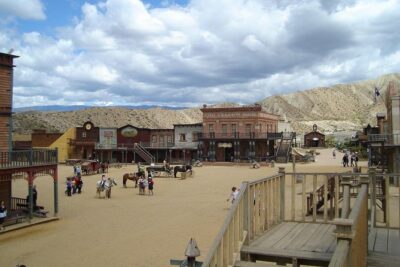
Full-Day Western Theme Park Tour of Mini Hollywood – Oasys
Read our review →Find this tour on these lists